
TRENDING
Sea Foam Is Natural and Often Harmless, Despite Sinister Look
1 minutes reading View : 34

World - 22 May 2026
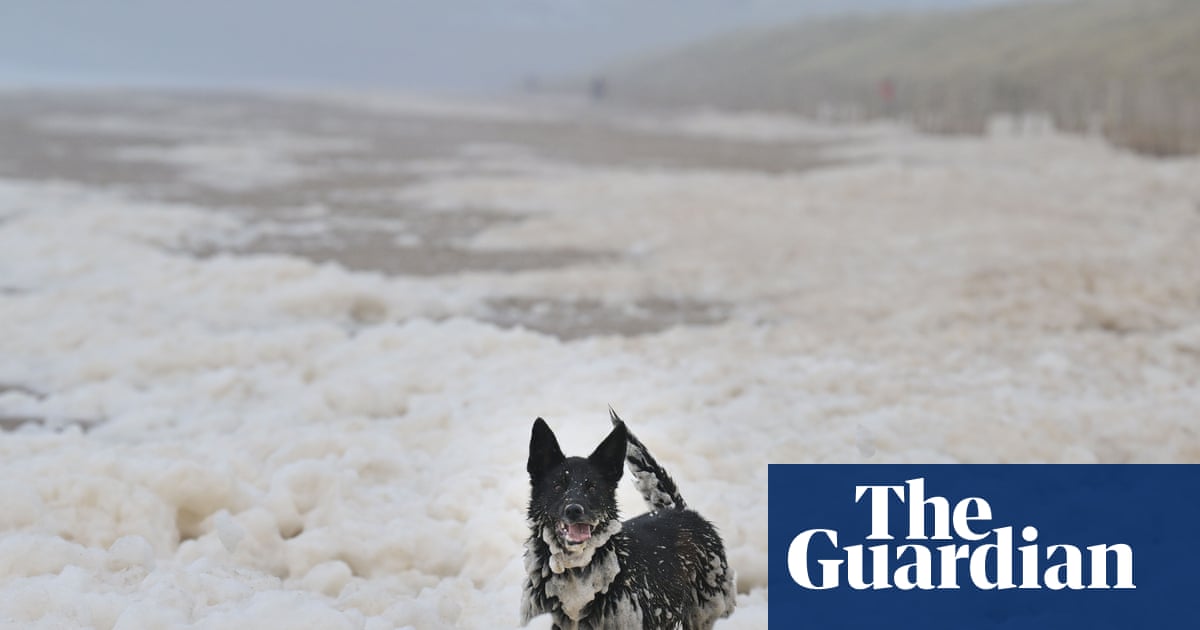
During spring, a frothy substance often appears along Britain’s coastline, sometimes mistaken for pollution or sewage. In reality, sea foam is a natural phenomenon resulting from the interplay of algae and weather conditions.
Marine algae, particularly phaeocystis, begin growing in April as waters warm. This common alga is non-toxic and forms part of the food chain. When blooms die, they leave organic surfactants that reduce water surface tension, similar to soap.
These natural surfactants create foam when water is disturbed. Breaking waves churn the water, producing yellowish-brown foam that accumulates along shores. The foam can be so abundant that fragments blow inland like thistledown.
Wind over the sea generates Langmuir circulation – rotating horizontal cylinders of water. These currents push water down in some areas and up in others, causing foam to gather in long parallel lines called windrows or drift lines.
Sea foam may appear unnatural and unsightly, and it sometimes has a foul odor. However, it is generally a natural and harmless occurrence.
📝 This article was rewritten with AI assistance based on content from The Guardian.
Related posts




Latest Post