
TRENDING
Dog vs baby: debate over pets in public spaces heats up
8 minutes reading View : 25

World - 19 May 2026
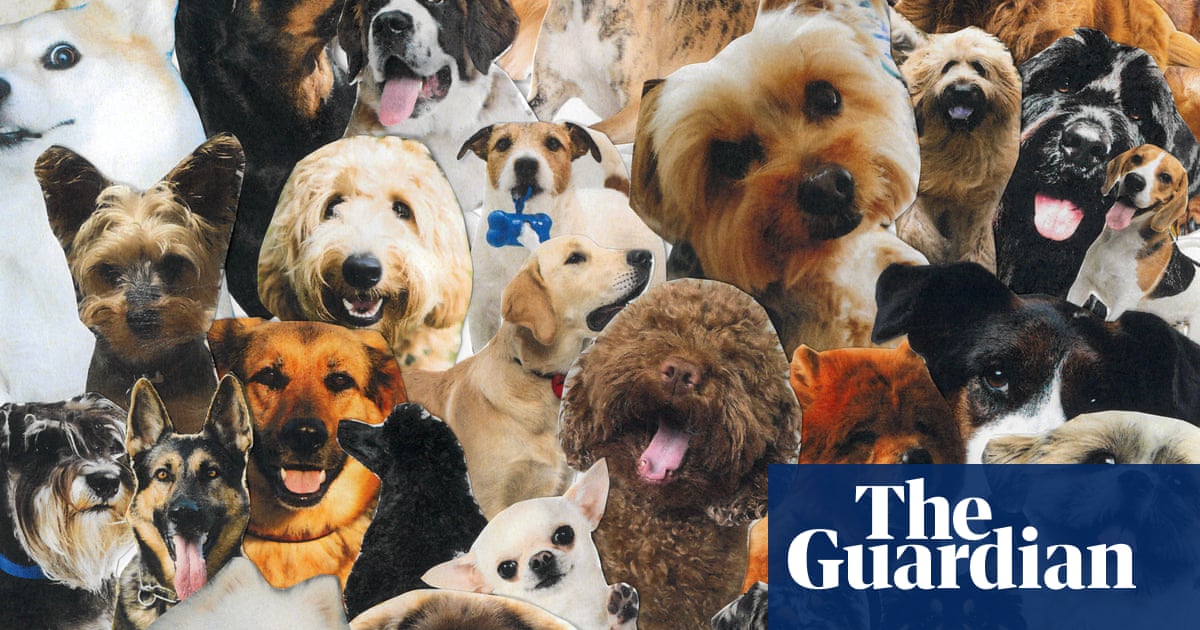
A London woman dining with her newborn became embroiled in a confrontation after another diner placed a dachshund on an absorbent pad in the restaurant, comparing the dog’s bathroom needs to those of a human infant, sparking a viral debate about dogs in public spaces.
Gizzelle Cade, an influencer from the US now living in the UK, was at Gordon Ramsay’s Street Pizza with her husband and two-month-old son when she saw a woman with a pram decorated with trinkets. Cade assumed the pram contained a baby, but instead the woman pulled out a dachshund and placed it on a training pad.
“I was completely taken aback,” Cade said. “To see pretty much an open bathroom where I was dining with my newborn – it was insulting.”
Cade could not confirm whether the dog actually used the pad. A restaurant spokesperson said CCTV review found no evidence of urination or defecation. Cade said she complained to two waiters and a manager, who did nothing. She then confronted the woman.
“The owner started to compare her dog to my son. She said: ‘Well, your baby shits and pisses. My dog needs to shit and piss too.’ She kept on comparing her dog to my newborn baby,” Cade said.
The incident escalated when Cade posted a TikTok video outside the restaurant. It went viral, amassing over 20 million views.
This article includes content provided by TikTok. We ask for your permission before anything is loaded, as they may be using cookies and other technologies. To view this content, click ‘Allow and continue’.
Cade, who is Black, said she received horrendous online abuse, much of it obscenely racist. “But the overall opinion and the feedback that I have received has been positive,” she said. “It resonated with people. People were already thinking about this privately, about dogs and public spaces and boundaries and hygiene.”
In the UK, dogs have become ubiquitous. Estimates suggest 13 million dogs now, up from about 9 million before the pandemic. They ride buses, visit cafes, and a petition to parliament could allow them on flights. Some appear in supermarket trolleys. Many co-working spaces welcome them.
Keep Britain Tidy estimates half a million dog owners leave their pet’s waste where it lands, amounting to 35 tonnes of feces. One study found high levels of pesticides—banned for agricultural use but used in flea and tick treatments—in London’s Hampstead Heath ponds. Dogs swimming in designated areas can contaminate water as chemicals wash off their fur.
The writer owns a golden retriever named Roo, who accompanies her most of the time. She describes Roo as a work pal and walking buddy who has been on boats, trains, buses, and in shops, cafes, and restaurants. She questions whether dogs even enjoy such exposure.
“I would say more yes than no,” said Clive Wynne, director of the Canine Science Collaboratory at Arizona State University. “I think going out and about and seeing things and smelling things is very positive for dogs, and they enjoy being out in the world.”
But Wynne noted dogs are individuals and highly variable, so owners must ensure their pets are not overwhelmed. “The main thing that people easily forget is that dogs need to sleep a lot more than humans do. Again, it varies greatly by individual and breed and so on, but we think dogs need to sleep about 14 hours a day. So if they’re being taken out all day with no opportunity to rest, that would become stressful.”
The writer acknowledges her own dog, Roo, may not be welcome everywhere. Roo once wrestled a fetid badger carcass that exploded over her. Although Roo passed the Kennel Club gold good citizenship award, she recently slipped her lead and ran through the writer’s son’s primary school, not delighting every child.
Nikki Beatnik, a DJ and record producer, takes her miniature pinscher cross, Minnie, everywhere — into central London shops and on public transport. Her previous rescue dog, Purdy, also went everywhere. “My dogs have been street dogs and they’ve had really hard lives, so I feel an extra responsibility to make their lives amazing,” Beatnik said.
Beatnik finds more dog-friendly places now. “It feels like it’s getting more like LA, where you can take your dog everywhere.” She has not faced confrontations. “In fact, I find more people talk to you when you’ve got a dog – people from all walks of life will come up. There are people with their kids who will keep them away from the dog. I try to be as patient as possible, because not everyone is a dog person.”
Owen Sharp, CEO of Dogs Trust, has observed the shift in the UK over the past two decades. His organization is surveying the nation’s canines. “Not that long ago, you had to plan quite carefully where you were going with your dog, whereas these days, you can pretty much assume that you will find places.” He noted Ireland is less advanced in dog-friendliness.
Sharp said change was underway before 2020, but COVID accelerated it. The pandemic puppy boom and flexible working blurred lines between workplace and home. “If you want to bring customers back, we need to make it a dog-friendly environment.” Cafes, hotels, restaurants, and offices adapted.
For some, that means human-unfriendly. Cade said she received hundreds of messages from people tired of dogs everywhere, including those with allergies. She loves dogs — she once owned a shih-tzu — but values hygiene. “I’ve gone to cafes and watched baristas pet dogs and then continue making coffee. People have allergies. Some people just don’t like dogs. I think what has happened is this overtaking, where there’s no respect for hygiene, no respect for people’s personal boundaries.” She excludes assistance dogs from her criticism.
Vicky Worthington, executive director of Assistance Dogs UK, warned that untrained dogs approaching service dogs can cause distractions. “It’s not going to be able to do its job properly. I think that there’s an element of making sure that we have more responsible dog ownership in general, because that helps everybody, but it also certainly helps assistance dogs being able to do their job uninterrupted.”
People increasingly misrepresent pets as assistance dogs, often as “emotional support animals” — which Worthington called “really a pet dog that brings comfort by being present.” An assistance dog is trained to mitigate a disability. Emotional support dogs are not referenced in legislation; trained assistance dogs are. Assistance Dogs UK is exploring clearer legal definitions.
Clive Wynne noted the trend is not new. In medieval England, monasteries and nunneries were banned from having more pets, especially dogs, because they overran the place. In Shakespeare’s works, dogs are usually nuisances. A visitor from centuries ago would wonder where the children are, given smaller modern families.
Wynne said people increasingly choose not to have children, or have one or two, which is unprecedented. Some replace children with dogs, known as DINKWADs (dual income, no kids, with a dog). A society with fewer children may be more accommodating of dogs, but dogs are a risk to small children. Research found 34% of postcode areas in England have more dogs than children.
Wynne said letting dogs sleep on beds and cuddle on sofas is modern. A century ago, most would find it strange, but the upper classes always indulged dogs. Even Wynne, who studies dogs, is annoyed by the trend of taking them everywhere. He has seen dogs in supermarkets sticking their noses into low-lying foodstuffs.
“Dogs are, by and large, tremendously wonderful, gentle beings. But not always,” Wynne said, especially around children who may behave unpredictably.
Police recorded more than 32,500 dog attacks in the UK in 2024, most at home. Wynne suggested a horrific news story of a child harmed by a dog in a prohibited place could swing public opinion back.
Measures may be needed for coexistence. Councils review public space protection orders specifying where dogs can go. Some call for reinstating the dog licence to fund cleanup. Many dog owners want less entitlement and more education and training.
Sharp said, “My belief and my experience is that the vast majority of dog owners want to do the right thing.” He has sympathy for those who avoid dogs. “I think it’s beholden on all of us who are dog owners to be mindful of that, knowing how to make sure your dog is safe and people are safe around dogs.”
📝 This article was rewritten with AI assistance based on content from The Guardian.
Related posts


18 May 2026




Latest Post