
TRENDING
DRC Ebola Outbreak Declared Global Emergency Amid Conflict and Aid Cuts
3 minutes reading View : 44

Politics - 21 May 2026
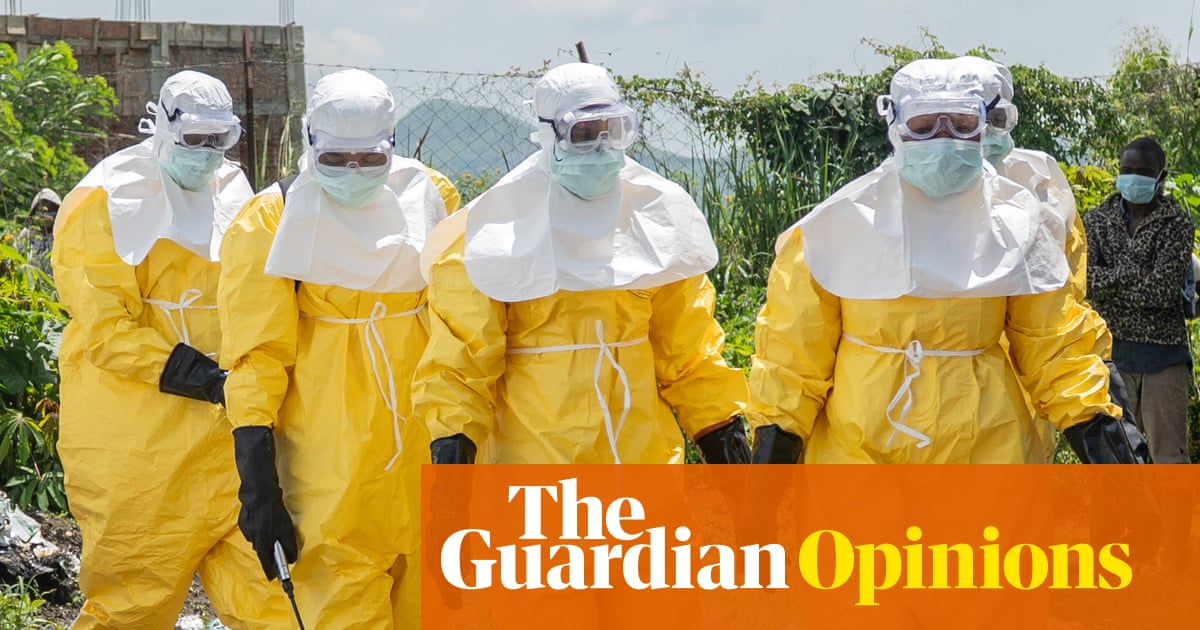
The Democratic Republic of the Congo has faced Ebola 17 times since 1976. The World Health Organization on Sunday declared the latest outbreak a public health emergency of international concern, with 139 suspected deaths and nearly 600 suspected cases, predominantly in the northeastern provinces of Ituri and North Kivu. Two cases were reported in Uganda among people who had traveled from the DRC.
The WHO expressed anxiety about neighboring South Sudan, warning that the disease may have been spreading for months. Given the region’s highly mobile population, officials said it could take months to bring the outbreak under control. The global risk is low, but the regional risk is considered high.
The Bundibugyo virus responsible for the cases is believed to be less deadly than common Ebola strains, but one study suggests it still kills around one-third of those infected. No licensed vaccines or approved treatments exist, though some are under development. Its rarity may have delayed detection, with authorities initially testing for other strains.
Human choices shape outbreaks as much as pathogen characteristics. Eastern DRC has endured years of armed conflict, with a surge in violence over the past year. War hampers access to communities, forces displaced people into crowded, unsanitary conditions, and reduces healthcare access. Combatants have attacked health facilities, notably in Ituri. Beleaguered communities with minimal support distrust authorities and health workers, requiring both sensitivity to local beliefs and a surge in routine healthcare and vaccinations to build trust.
Medical workers in the region have expertise and experience; they do not need international teams but adequate resources. Aid budget cuts by U.S. President Donald Trump and leaders in the UK and elsewhere have had punitive effects. The International Rescue Committee said it had to cut health and outbreak preparedness in eastern DRC from five areas to two because of U.S. funding reductions, affecting disease surveillance and sanitation. It blames the funding reduction directly for delayed detection of the virus. U.S. criticism of the WHO response as “a little late” is rich from an administration that withdrew from the agency, removing its largest funding source.
International governments are now offering emergency-response funding. While essential, controlling deadly diseases requires consistent support for frontline workers and international expertise and monitoring. A Global Preparedness Monitoring Board report warned Monday that infectious disease outbreaks are becoming more common due to climate change and war, while geopolitical fragmentation weakens collective responses.
The DRC outbreak should remind us that our choices have long-term consequences. Those wishing to submit a response of up to 300 words by email for potential publication in the letters section can click here.
📝 This article was rewritten with AI assistance based on content from The Guardian.
Related posts




Latest Post