
TRENDING
FTC under Trump accused of using investigations to chill dissent
6 minutes reading View : 43

Politics - 18 May 2026
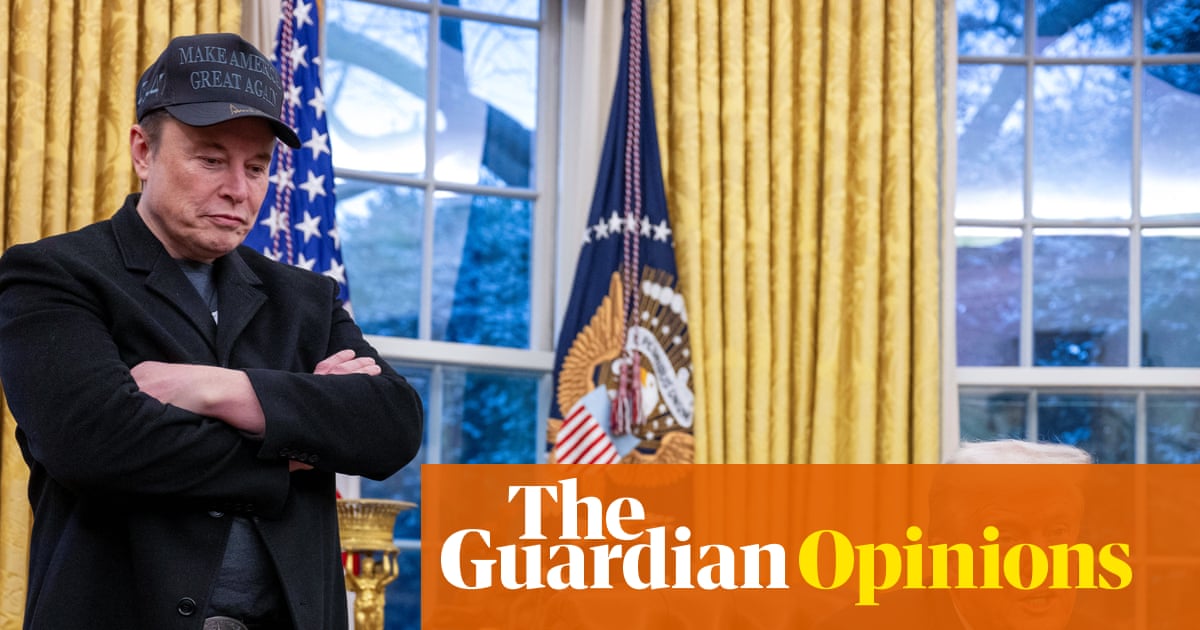
A federal judge recently questioned whether being anti-Nazi is “radically left,” putting the Federal Trade Commission on the defensive in a case that raises concerns about politicized enforcement.
The FTC abruptly settled its case with Media Matters for America this week, ending an investigation into the media watchdog’s reports about pro-Nazi content appearing alongside advertisements on X, the platform formerly known as Twitter.
Those reports prompted advertisers to flee the platform, and X owner Elon Musk threatened a “thermonuclear lawsuit” against Media Matters.
Four months after Andrew Ferguson took the helm of the FTC, having vowed before his appointment to confront “the radical left,” his agency sought communications records from Media Matters.
At an antitrust conference in April 2025, Ferguson explained his agency’s logic, noting that investigative tools are “expensive when applied to you even if we don’t win at the end of the day, so knuckle under.”
This approach, critics say, represents lawfare rather than law enforcement—using the threat of costly investigations to pressure targets into submission.
The FTC lacks a mandate to investigate First Amendment disputes, as this one involved, and state attorneys general also lack such authority. Yet Texas Attorney General Ken Paxton and Missouri Attorney General Andrew Bailey launched fraud investigations into Media Matters after pressure from Stephen Miller, now deputy White House chief of staff.
Courts ultimately forced the FTC and the state attorneys general to retreat, but the investigations were still considered successful in their chilling effect.
The goal, observers say, was not necessarily to win in court but to suppress speech, drain resources, and make opposition prohibitively expensive.
This is how democracies decay in the modern age, analysts argue—not always with soldiers in the streets but through the capture of institutions that shape public discourse, as governments and oligarchs collaborate to make dissent ruinously costly.
Critics are dragged into investigations and lawsuits designed less to win legal battles than to send a message: speak up, and you may survive legally, but not financially.
Media Matters says the investigations cost it donors, derailed journalistic projects, and led to layoffs. NewsGuard, another target of FTC scrutiny under a dubious antitrust theory, said it spent a significant portion of its revenue covering legal expenses.
At the urging of the rightwing news outlet Newsmax, the FTC even made abandoning the use of NewsGuard—or any comparable service assessing news credibility—a condition for approving the Omnicom-IPG advertising merger, barring the companies from using such platforms.
Meanwhile, Musk’s X followed through on its threats, filing antitrust lawsuits against both Media Matters and the advertisers that fled the platform. One of Musk’s principal targets was the Global Alliance for Responsible Media (Garm), a coalition created after the livestreamed massacre in Christchurch, New Zealand, to help advertisers avoid placing ads next to extremist content such as the pro-Nazi material documented on X.
A federal judge in Texas dismissed Musk’s lawsuit earlier this year, finding that advertisers had simply exercised independent business judgment in deciding not to advertise on X. But by then, Garm had already dissolved in August 2024 under the weight of the legal assault, days after the lawsuit was filed.
Victory in court came too late to prevent the chilling effect, illustrating a broader pattern in which oligarchs and the state work together to discipline critics, reward loyalists, and reshape the media environment to serve those in power.
A similar pattern emerged in the approval of the Paramount-Skydance merger last year. The deal, controlled by the Ellison family and reviewed by a deeply politicized Federal Communications Commission, received approval only after a remarkable series of concessions.
Paramount reportedly paid Trump $16 million to settle litigation connected to a 60 Minutes interview, canceled The Late Show with Stephen Colbert after Colbert publicly described the settlement as a “bribe,” and demonstrated that the merged company would impose tighter editorial controls over CBS News while dismantling diversity initiatives. The Late Show airs its final episode this month.
Anna Gomez, the FCC’s lone Democratic commissioner, described the process as involving “never-before-seen forms of government control over newsroom decisions and editorial judgment – actions that violate both the First Amendment and the law.”
As I have testified before Congress, merger review has become a political concession machine under the Trump administration. Larry Ellison, father of the Paramount CEO, David Ellison, reportedly called Trump personally after Netflix expressed interest in Warner Bros Discovery, arguing the competing deal would harm competition. Paramount now has the winning bid for Warner Bros Discovery.
Even administration insiders are alarmed. Roger Alford, a former senior Justice Department antitrust official fired last year, later described the antitrust division’s conduct as pay-to-play regulation.
Courts have now pushed back on these tactics multiple times, but court victories are retrospective. The threat alone is often enough. Garm is gone, watchdog budgets have been gutted, and newsrooms are making editorial calculations with one eye fixed on potential retaliation from regulators or politically connected billionaires.
Companies understand that even if they ultimately prevail in court, surviving years of investigations and lawsuits can still mean financial devastation. They price ideological compliance into their business strategies before regulators ever formally demand it.
The organizations targeted by the administration and Musk all shared one trait: they made X less profitable or less politically useful. The Paramount deal revealed the other side of the equation: companies that accommodate the administration are rewarded; those that resist are punished.
That is the real story here. The FTC and FCC are no longer being used as intended—to govern fairness in our markets. They are increasingly being used to shape the information environment itself, determining which institutions survive, which voices are amplified, and which critics are buried under crushing legal and financial pressure.
Authoritarian movements have always understood that controlling media does not necessarily require outright censorship. It is often enough to create a climate of fear where independent institutions begin self-censoring, journalists hesitate before publishing, advertisers retreat from controversy, and media executives learn that favorable coverage and political loyalty can secure regulatory approval while criticism can trigger investigations and ruinous litigation.
This is how democracy dies in the modern era—not necessarily with newspapers shuttered overnight or reporters hauled off to prison, although the U.S. has come dangerously close to both scenarios, but through the gradual fusion of state power and oligarchic power into a system where dissent becomes economically unsustainable. Once enough institutions internalize that lesson, formal censorship is not necessary at all.
Courtney C Radsch is the director of the center for journalism and liberty at Open Markets Institute and the author of “Cyberactivism and Citizen Journalism in Egypt: Digital Dissidence and Political Change.” She is a board member of theguardian.org.
📝 This article was rewritten with AI assistance based on content from The Guardian.
Related posts




Latest Post