
TRENDING
India Raises Fuel Prices 3% Amid Iran War and Hormuz Closure
3 minutes reading View : 23

Economy - 18 May 2026
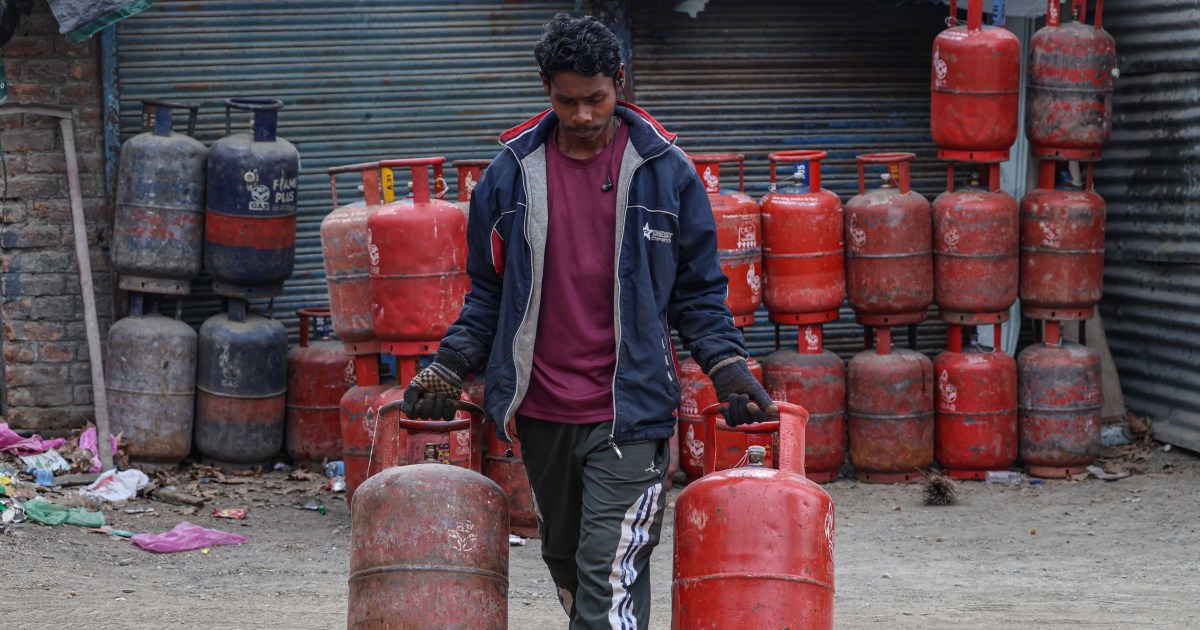
India raised fuel prices by about 3% on Friday, as the energy crisis stemming from the Iran war and closure of the Strait of Hormuz began to affect the economy.
The government in New Delhi announced a 3-rupee ($0.03) per liter price hike to offset losses from supply shortages. Gasoline rose to 97.77 rupees ($1.02) per liter, while diesel reached 90.67 rupees ($0.94).
India, the world’s third-largest oil importer, sources 90% of its crude from overseas, with roughly half of its normal supplies passing through the Strait of Hormuz.
The country has been heavily impacted by rising energy costs and supply disruptions from the US-Israel war on Iran.
New Delhi had refrained from raising retail fuel prices, making it one of the last major economies to pass on higher crude costs to consumers.
The increases come days after Prime Minister Narendra Modi urged Indians to adopt voluntary austerity measures, including working from home when possible, limiting foreign travel, and reducing gold purchases.
Modi called fuel conservation an act of “patriotism” and promoted public transport, carpooling, and lower fertilizer use.
Opposition leaders noted that Modi’s appeal came after a key round of state elections concluded this month, during which fuel prices remained unchanged. Modi’s BJP won two of four states, expanding its influence.
Manoj Kumar, a 48-year-old taxi driver in New Delhi, told The Associated Press that the fuel price rise would strain working-class people.
“For common people like us, even one rupee has great value. People work so hard from morning till evening just to make ends meet. The government is not seeing this,” he said.
The Indian capital became the first state to implement austerity measures on Thursday, with authorities mandating work-from-home days for certain government employees.
Chief Minister Rekha Gupta said the 90-day campaign aims to cut official fuel use and encourage greater reliance on public transport.
Employees whose work can be done remotely must work from home two days a week, and private companies are encouraged to adopt similar policies.
India has accelerated ethanol blending into gasoline to reduce crude imports. Many fuel stations now sell gasoline with 20% ethanol, and the government has proposed expanding use of fuels containing 85% or even 100% ethanol in compatible vehicles.
Energy experts said biofuel blending can help mitigate global energy volatility but may worsen environmental issues by encroaching on cropland and potentially harming older engines.
Amid the supply crisis, India announced on Friday it signed pacts with the United Arab Emirates on oil and gas, as well as strategic defense cooperation.
The deals were signed as Modi began a five-nation tour that will also take him to Europe, which will “focus on strengthening our energy security,” India’s Ministry of External Affairs said.
Meanwhile, the UAE government’s media office announced plans to accelerate construction of a new oil pipeline to bypass the Strait of Hormuz, with an opening now expected in 2027.
📝 This article was rewritten with AI assistance based on content from Al Jazeera English.
Related posts



Latest Post