TRENDING
Iran’s stock market faces challenging reopening after 80-day war closure
4 minutes reading View : 47

World - 18 May 2026
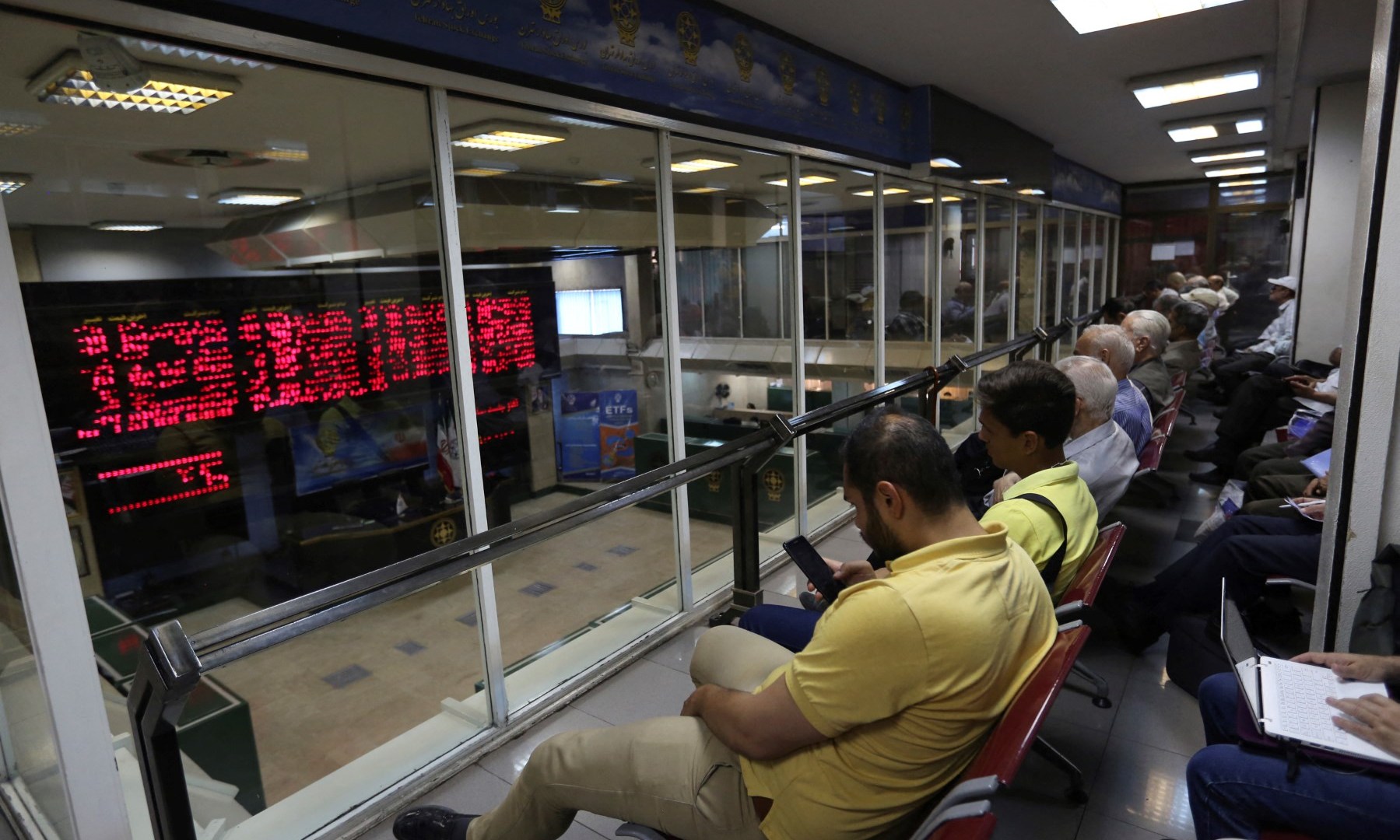
TEHRAN, Iran – The Iranian stock market is set to reopen this week after an 80-day closure triggered by the war with the United States and Israel.
Although the exchange does not serve as the primary engine of economic financing in sanctions-hit Iran, its reopening could provide insight into the state of the economy and allow authorities to assess investor confidence and market liquidity.
Trading of shares, equity funds and equity-linked derivatives will resume Tuesday and Wednesday, ahead of the Iranian weekend. Trading hours will be extended by one hour to accommodate top firms that will disclose information about war-related damages and those that held shareholder meetings during the stoppage.
The stock market, isolated from global indexes due to Western sanctions, had remained closed since Feb. 28, when the U.S. and Israel launched missile attacks on Tehran and other parts of Iran.
Securities and Exchange Organization (SEO) Deputy Hamid Yari told state media earlier this week that the move aimed at “protecting investors’ assets, preventing emotional behaviours, and creating conditions for trade in the market with more accurate and transparent information.”
While the closure may have initially prevented disorderly panic selling, it also trapped portfolios, accumulated pressure on anxious investors to sell, and created a growing credibility problem for the capital market.
TEDPIX, the main index of the Tehran Stock Exchange, reached an all-time high of nearly 4.5 million points at the start of 2026, but it plummeted after thousands were killed during nationwide protests that peaked on Jan. 8 and 9, followed by a 20-day state-imposed internet shutdown.
Growing expectations of war with the U.S. and Israel further spooked investors, with money flowing out and TEDPIX standing at nearly 3.7 million points at the last pre-closure market snapshot.
While this week’s reopening may offer clues about the market’s capacity to generate liquidity, many people continue to hold their savings in foreign currency, gold, housing, cars, cryptocurrency or other assets.
Banks and the state remain the largest financiers of economic activity in Iran, a country struggling with deep-seated issues such as chronic inflation and harsh sanctions.
The Central Bank of Iran often prints money to plug budget holes and keep the economy afloat, but this exacerbates inflation and erodes Iranians’ purchasing power.
The economic woes have only been worsened by the war and a naval blockade imposed by the U.S. on Iran’s ports on April 13, despite a tenuous ceasefire agreed five days earlier.
During the war, U.S. and Israeli fighter jets extensively bombed Iran’s economic infrastructure, including petrochemical companies, steel producers, and mining and transport-linked firms that are top performers in the capital market.
It remains unclear how much information Iranian companies will be allowed to disclose to provide a picture of the war damage, given ongoing security risks and the lingering threat of renewed fighting.
According to Donya-e Eqtesad, Iran’s largest financial daily newspaper, some categories could be considered “commercial secrets,” including maps, production processes and designs. In such cases, the company may submit sensitive data to the SEO while avoiding full public disclosure online.
SEO Chairman Hojatollah Seyyedi told the government-run IRNA news agency last month that companies will be divided into three categories for the reopening: those with direct damage during the war, such as petrochemicals and steel producers; those affected through suppliers, customers or subsidiaries; and firms affected by the general environment.
Bijan Khajehpour, a managing partner at Eurasian Nexus Partners, a Vienna-based international consulting firm, told Al Jazeera that the reopening will have to be “closely controlled” as there are “serious” concerns that investors “will engage in panic selling to generate liquidity.”
Khajehpour acknowledged that the government is under “massive fiscal pressure” but urged it to develop support measures to “prevent panic selling.”
Under a pre-existing limit set by Iranian authorities to curb fluctuations, most shares on the Tehran Stock Exchange and the Fara Bourse over-the-counter market can rise or fall by only three percent from the previous closing price in one trading day. This can slow a visible decline but also trap selling pressure.
The experience of the relatively tiny market during a two-week closure amid the war with Israel in June 2025 may provide clues about what could transpire after this week’s reopening.
In the weeks following that so-called 12-day war, the main index of the Tehran exchange dropped by over 15 percent before reaching a new all-time high at the start of 2026.
But the strong nominal rally was mostly a byproduct of rising inflation and asset repricing based on the rising value of the U.S. dollar in the local market, not a sign of significant investment growth.
📝 This article was rewritten with AI assistance based on content from Al Jazeera English.
Related posts



Latest Post