
TRENDING
Kenya Matatu Strike Suspended After Fuel Price Talks
3 minutes reading View : 61

World - 19 May 2026
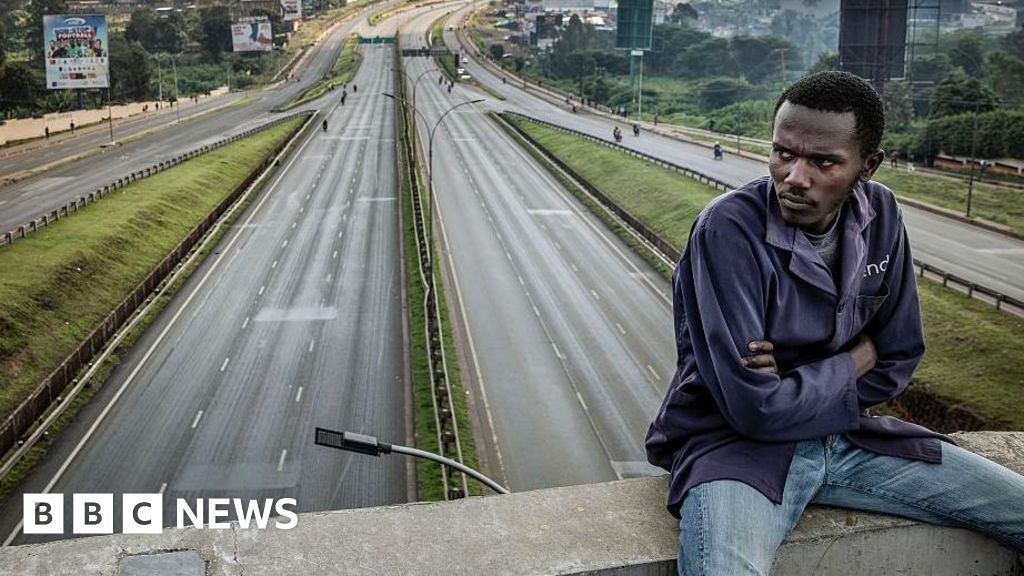
Transport operators in Kenya suspended their nationwide strike on Tuesday following talks with the government over rising fuel prices.
The operators said the suspension will remain in place until next Tuesday to allow for further negotiations.
The strike had brought the capital Nairobi and other cities to a standstill as it entered a second day.
At least four people were killed and 30 injured in Monday’s protests, with more than 700 arrested nationwide, according to authorities.
Interior Minister Kipchumba Murkomen said the deal came after consultations with public transport representatives, and negotiations “at a higher level” would be conducted within the next week.
“We have had a breakthrough not because we are satisfied, but we want to give negotiations a chance,” said Edwin Mukabane, national chairman of the Federation of Public Transport Sector.
“If this is not taken seriously within the seven days, the strike will be back on,” he added.
Major roads in Nairobi remained largely empty on Tuesday morning, with businesses shut and schools closed.
Like the previous day, many Kenyans walked to their destinations, although a small number of public transport vehicles reportedly resumed services on some routes.
Police patrolled parts of the city to maintain security amid reports of protesters blocking some routes.
Police urged demonstrators to remain peaceful and not to loot or destroy property.
The Directorate of Criminal Investigations said investigations into Monday’s demonstrations were ongoing, with many suspects already arraigned in court.
Kenyan rights group Vocal Africa denounced “the use of lethal force by law enforcement.”
The state-funded Kenya National Commission on Human Rights (KNCHR) called for immediate investigations into the violence and destruction of property and urged police to exercise restraint.
In the coastal city of Mombasa, a sense of normality reportedly returned with public transport services resuming.
On Monday, groups representing the transport sector held a meeting with the government.
Energy Minister Opiyo Wandayi announced they had agreed to reduce the price of diesel, which had risen to 242 shillings ($1.8; £1.4).
The energy regulator subsequently reduced diesel by 10 shillings while retaining the price of petrol at 214 shillings.
The reduction fell short of protesters’ demands, and transport sector representatives insisted the strike would continue.
At the end of a subsequent meeting on Tuesday morning, Wandayi said the government would continue to be “sensitive to the plight of petrol consumers” and thanked operators for agreeing to suspend the strike.
The operators are calling for a fuel price cut of up to 46 shillings, to levels last seen before the US-Israel war with Iran that began on 28 February.
Like many other African nations, Kenya relies on fuel from the Gulf, which has been disrupted by the conflict.
Although a ceasefire has been declared, prices remain high as the Strait of Hormuz, where a fifth of global oil supply passes through, remains blocked.
Last month, the government cut VAT on fuel from 16% to 8% until July, but there have been calls for it to do more.
Go to BBCAfrica.com for more news from the African continent.
Follow us on Twitter @BBCAfrica, on Facebook at BBC Africa, or on Instagram at bbcafrica.
📝 This article was rewritten with AI assistance based on content from BBC News.
Related posts



Latest Post