
TRENDING
NT youth justice laws accused of funneling Aboriginal children into prisons
4 minutes reading View : 56

World - 19 May 2026
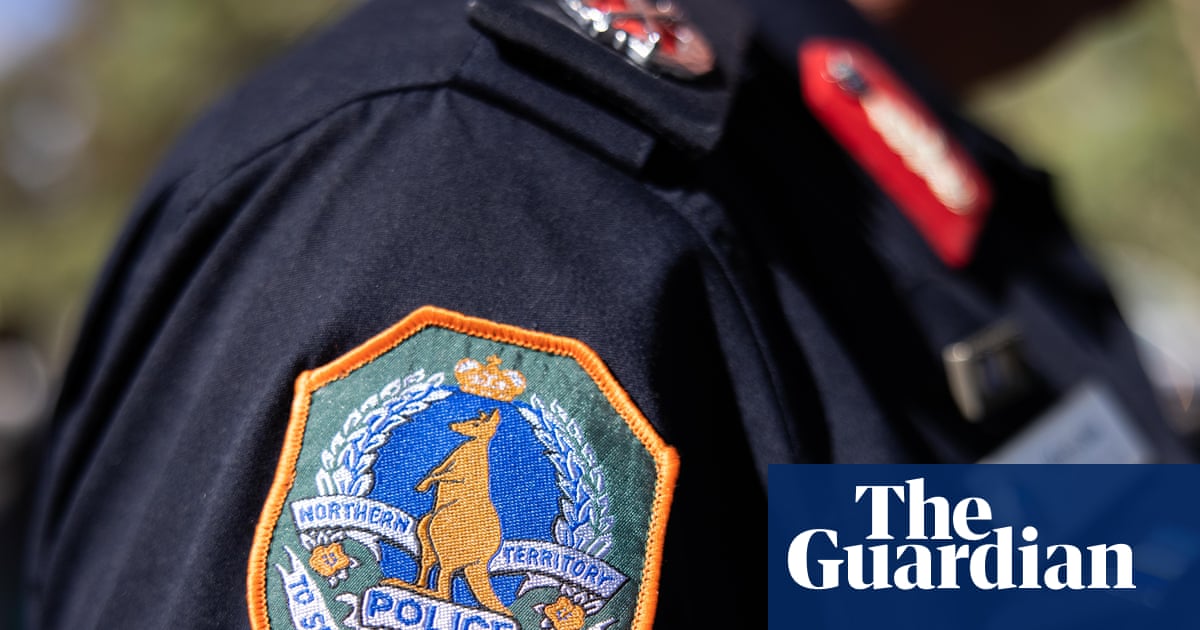
Draft youth justice laws in the Northern Territory would allow police to detain and question young people for up to 48 hours without a legal guardian, drawing accusations from advocates of “funnelling Aboriginal children into prisons.”
The proposed amendments to the NT Youth Justice Act, introduced by Corrections Minister Gerard Maley, would permit police to hold young people charged with an offence in watch houses for up to 48 hours, subject them to interviews if they have “knowledge in relation to an offence,” and question them without an adult present if it concerns “a serious and urgent matter concerning public safety.”
The draft laws were introduced one day after child protection changes that would replace the Aboriginal Child Placement Principle. Child Protection Minister Robyn Cahill also announced a review into the sector following the death of five-year-old Kumajayi Little Baby in Alice Springs last month.
First Nations justice director at the Human Rights Law Centre, Maggie Munn, said the proposed changes would discriminate against Indigenous children and jeopardize their safety and wellbeing.
Munn told Guardian Australia that “already a crisis unfolding” in NT watch houses, after the territory’s prison watchdog raised concerns about “oppressive conditions including severe overcrowding [and] inhumane toilet access.”
“The NT government knows these laws will expose more children to these barbaric conditions in police cells … Our children deserve care, not cages,” Munn said.
“Police watch houses are not safe places for children, and detaining children in watch houses for up to 48 hours is inhumane.”
“Allowing police to question children without an adult present contravenes their basic rights. Children need an adult present during police interviews to protect their rights and wellbeing, and to ensure they’re not coerced or treated unfairly by police.”
“The NT government is racing to the bottom on youth justice, and these changes will see more First Nations kids behind bars.”
Guardian Australia has contacted the territory government and Maley’s office for comment.
In a statement, a spokesperson for the NT police said they did “not anticipate frequent utilisation of this provision,” and said that watch houses did “provide adequate care and supervision” for youth detainees.
NT police said the amendment was “structured to preserve the fundamental right to silence,” while allowing police to source information “necessary to protect the community or support early intervention” without compromising a young person’s legal position.
“Police must inform the young person of their right to silence before an urgent protected interview takes place and if exercised the interview cannot proceed,” they said. “Where a young person participates in the urgent interview, anything they say during the interview is not admissible in any subsequent criminal or civil proceedings against them.”
“Any such interaction will be recorded on body-worn camera, ensuring transparency and accountability, and allowing it to be reviewed at any time.”
Meanwhile, First Nations legal and child protection advocates have criticized the NT government for failing to widen the scope of its review into the child protection services.
Arrernte and Luritja woman Catherine Liddle, CEO of the Secretariat of National Aboriginal and Islander Child Care (Snaicc), a peak body for Indigenous children, said the current scope of the review, headed by former NSW police commissioner Karen Webb and longtime NT public servant Greg Shanahan, “provides limited opportunity to examine the broader child protection system and the interconnected issues that continue to shape poor outcomes for children and families across the Northern Territory.”
“With such a narrow focus, it is difficult to see how the inquiry could deliver meaningful findings or recommendations capable of driving systemic reform across the department as a whole,” Liddle said.
A final report will be handed to Cahill within three months.
📝 This article was rewritten with AI assistance based on content from The Guardian.
Related posts





Latest Post