
TRENDING

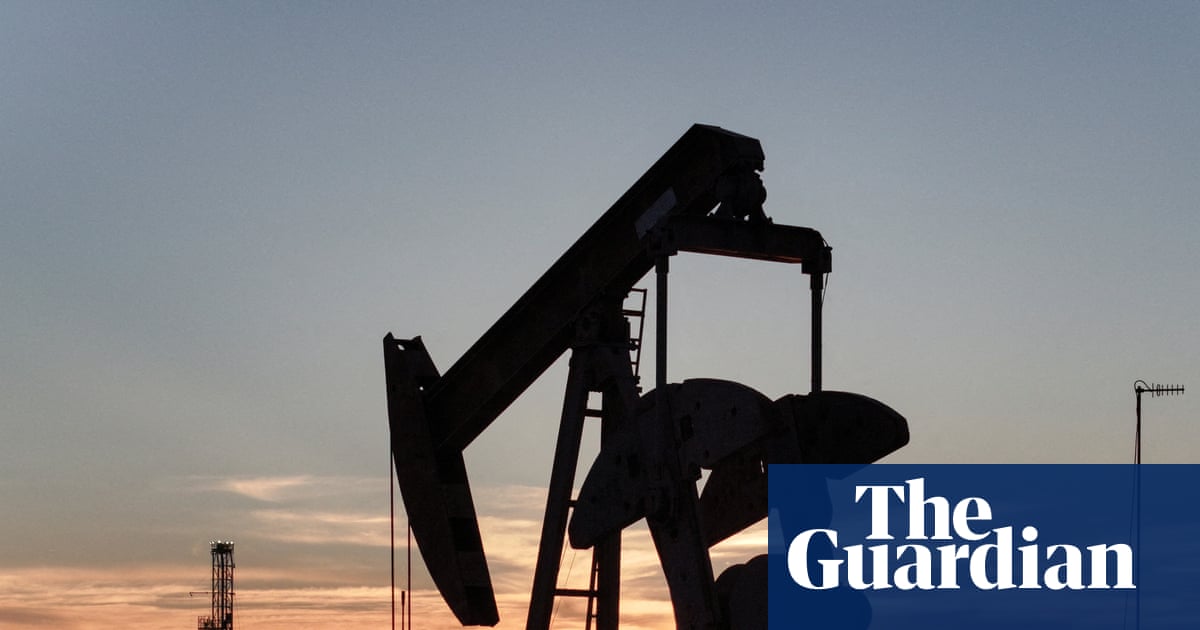
Oil prices fell 6% on Wednesday after U.S. President Donald Trump said negotiations with Iran were in the final stages, though investors remain cautious about the outcome of peace talks as disruptions to Middle Eastern supply persist.
Brent crude futures dropped $6.64, or 5.97%, to $104.64 a barrel by 1:45 p.m. ET, while U.S. West Texas Intermediate futures fell $6.49, or 6.23%, to $97.66.
Trump said the negotiations were in their final stages but warned of further attacks unless Iran agrees to a deal. Iranian Foreign Ministry spokesperson Esmaeil Baghaei said Iran was ready to develop protocols for safe shipping traffic in cooperation with other coastal states, without providing additional details.
Despite signs of progress, some market participants and analysts remain wary about the outcome of talks and global supply tightness that will likely persist even if the U.S. and Iran reach an agreement.
“You’ve got to take all these pronouncements with a grain of salt these days, but the market was also quick to reward it and price in the hope of a resolution,” said John Kilduff, partner at Again Capital. Analysts at Citi said Tuesday they expect Brent crude to rise to $120 a barrel in the near term, stating that oil markets were underpricing the risk of prolonged supply disruption, and Wood Mackenzie estimated it could approach $200 if the Strait of Hormuz remains largely shut until year-end.
Similarly, PVM analysts said global oil stocks could reach critically low levels. “Yet, as observed lately, market players are comparatively nonchalant (or complacent) about what the conflict might bring,” PVM said.
The premium on Brent contracts for delivery next month over contracts for delivery in six months — an indicator of traders’ views of current supply tightness — stands at about $20 a barrel, far below last month’s highs above $35.
Russian Deputy Prime Minister Alexander Novak said Wednesday that some countries were lifting sanctions on Russian oil because global markets cannot function without it, according to the state Tass news agency.
Three supertankers were crossing the Strait of Hormuz on Wednesday, carrying oil bound for Asian markets, after waiting in the Gulf for more than two months with 6 million barrels of Middle East crude onboard. The number of vessels crossing the strait remains well below the roughly 130 ships that crossed daily before the war.
📝 This article was rewritten with AI assistance based on content from The Guardian.
Related posts






Latest Post