
TRENDING
Pennsylvania Primary Elections: Guide to Key Races and Voting
4 minutes reading View : 26

World - 19 May 2026
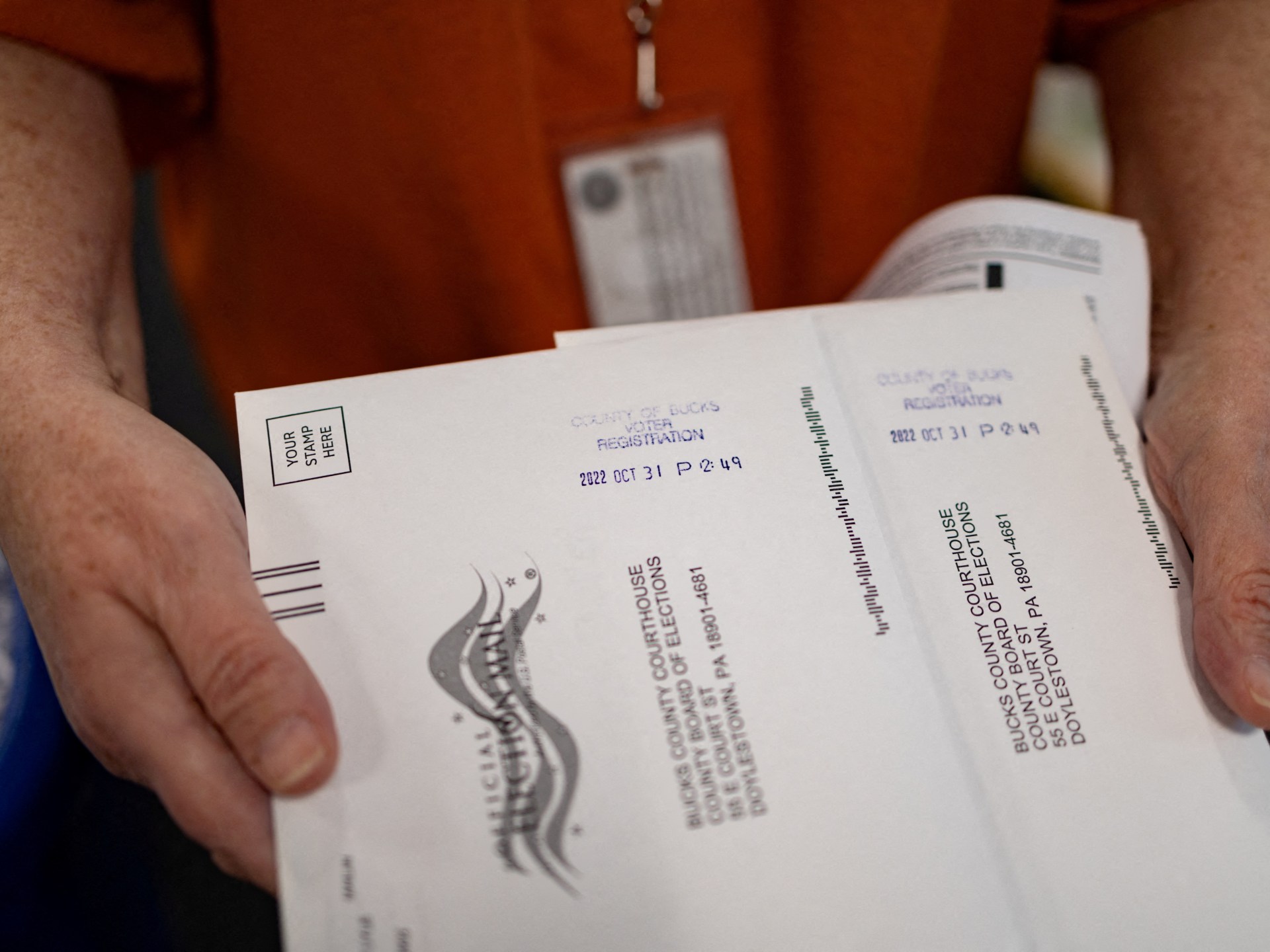
Voters in Pennsylvania are preparing to head to the polls for primary elections, as the eastern US state serves as a crucial battleground in recent national contests.
Republican and Democratic candidates are competing to represent their parties in the November midterm elections, which will test President Donald Trump’s second term and could determine control of Congress.
The following explainer covers key dates, voting rules and races to watch.
Election Day is May 19.
The voter registration deadline was May 4; mail-in and absentee ballot requests were due May 12, according to state election officials.
Pennsylvania operates a closed primary system, meaning voters may only cast ballots in their registered party’s primary.
The state does not generally require voter ID, but first-time voters at a polling place must present a valid form of identification, such as a driver’s license or passport.
Polls open at 7 a.m. local time (11:00 GMT) and close at 8 p.m. (midnight GMT).
Several races are being closely watched for national implications, including the gubernatorial contest that could highlight the ambitions of incumbent Democratic Governor Josh Shapiro.
The state Democratic Party aims to win majorities in both legislative chambers for the first time in decades. All 203 state House seats and half of the 50 state Senate seats are up in November. Democrats hold a one-seat House majority but have not controlled the Senate for more than 30 years.
A tracker from Spotlight PA reports 228 legislative primaries this year, many uncontested. The tracker identifies the 16th and 36th districts as primaries that will lead to competitive general elections for control of the state Senate.
Pennsylvania is also significant nationally, as voters will decide candidates for all 17 U.S. House seats. All but one incumbent is seeking reelection.
Voters will also select their party’s nominee for lieutenant governor.
Both Republican and Democratic candidates for governor are running unopposed in their primaries.
Democratic Governor Josh Shapiro, frequently mentioned as a potential future presidential candidate, runs as the incumbent. State Treasurer Stacy Garrity is unopposed for the Republican nomination.
“We all know that he’s more interested in Pennsylvania Avenue than helping Pennsylvania families,” Garrity said of Shapiro’s possible White House aspirations in a recent interview. “He thinks if he can hand Pennsylvania on a platter to the Democratic Party, then maybe they’ll take a harder look at him.”
Supporters of former Republican gubernatorial candidate and State Senator Doug Mastriano have launched a write-in campaign against Garrity, whom Trump endorsed in January.
The Trump administration announced last week that it was nominating Mastriano as ambassador to Slovakia.
Incumbent Austin Davis will be the Democratic candidate for lieutenant governor, while Republicans choose between Jason Richey and John Ventre.
Richey, an Allegheny County attorney, is Garrity’s preferred running mate but faces Ventre, a retired UPS executive. Garrity’s campaign has accused Ventre of spreading false claims and misleading voters on social media, according to local NPR affiliate WESA.
Ventre shared a graphic on social media stating that he and Garrity are the Republican ticket “effective May 20,” prompting Garrity to issue a statement that the two have never met and slamming him for sharing a “misleading graphic.”
The retirement of Democratic Representative Dwight Evans has triggered a competitive primary for the state’s 3rd Congressional District, which covers parts of Philadelphia.
Progressive candidate Chris Rabb faces Ala Stanford and Sharif Street, both seen as closer to the party’s establishment. Rabb has endorsements from progressive figures including Representative Alexandria Ocasio-Cortez.
Axios reported that Shapiro has used his influence to encourage support for candidates other than Rabb, who has criticized the governor from the left on immigration and holds pro-Palestine views at odds with Shapiro’s strong support for Israel.
Most polls show Shapiro leading Garrity by a wide margin. A February Quinnipiac poll gave him 55 percent to Garrity’s 37 percent.
An April Susquehanna Polling survey showed Shapiro with 58 percent to Garrity’s 36 percent.
📝 This article was rewritten with AI assistance based on content from Al Jazeera English.
Related posts




Latest Post