TRENDING
UK extends fuel duty freeze to yearend, citing Middle East tensions
3 minutes reading View : 15

Economy - 21 May 2026

The British government will extend the temporary 5-pence-per-litre reduction in fuel duty through the end of the year, abandoning a planned phase-out in September, Prime Minister Keir Starmer announced Monday.
The reduced tax rate on petrol and diesel was originally introduced by the previous Conservative government in March 2022 following Russia’s full-scale invasion of Ukraine, which sent global energy prices soaring.
Prices at the pump have risen significantly since the outbreak of the US-Israel conflict with Iran, which has disrupted global supplies of crude oil and liquefied natural gas.
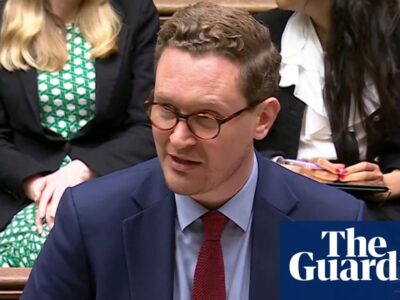
“We’re backing drivers by extending the freeze on fuel duty,” Starmer told the House of Commons.
Downing Street said the extension would cost £455 million (about $580 million) for the current tax year. The prime minister’s official spokesman said the decision was made possible by stronger-than-expected economic growth figures.
The 5p cut was initially intended to last 12 months but has been repeatedly extended by successive governments.
Starmer said he decided to keep the freeze in place because of the deteriorating situation in the Middle East.
According to the RAC motoring group, the average price of petrol hit its highest level since the start of the Iran conflict on Monday, reaching 158.52 pence per litre.
The prime minister also announced a reduction in fuel duty on red diesel — used by farmers in tractors and agricultural machinery — by more than a third, to 6.48 pence per litre, effective from mid-November through the end of the year.
In addition, the government will introduce a 12-month suspension of vehicle excise duty for heavy goods vehicles (HGVs), a measure officials said would ease supply chain costs for the haulage industry and help contain consumer prices.
The HGV tax holiday is expected to save hauliers about £600 per typical heavy lorry.
However, RAC head of policy Simon Williams raised questions about what would happen in 2025.
“Will drivers be hit with the full 5p in one go in the spring, will a new phasing be agreed, or will the government even abandon an increase altogether?” he asked.
Conservative leader Kemi Badenoch thanked Starmer for what she called the government’s “U-turn” on fuel duty, noting that her party had called for the extension in March.
Shadow chancellor Sir Mel Stride claimed the government had been “forced into a U-turn” following Conservative pressure.
“Labour’s fuel tax hike would have hurt businesses and hammered hardworking families already stretched to breaking point,” Stride said.
“Under the Conservatives, fuel duty was frozen or cut for 14 years in a row,” he added.
Additional reporting by Brian Wheeler.
📝 This article was rewritten with AI assistance based on content from BBC News.
Related posts



Latest Post