TRENDING
UK Supermarkets Urged to Consider Voluntary Price Caps on Essential Foods
4 minutes reading View : 25

World - 20 May 2026
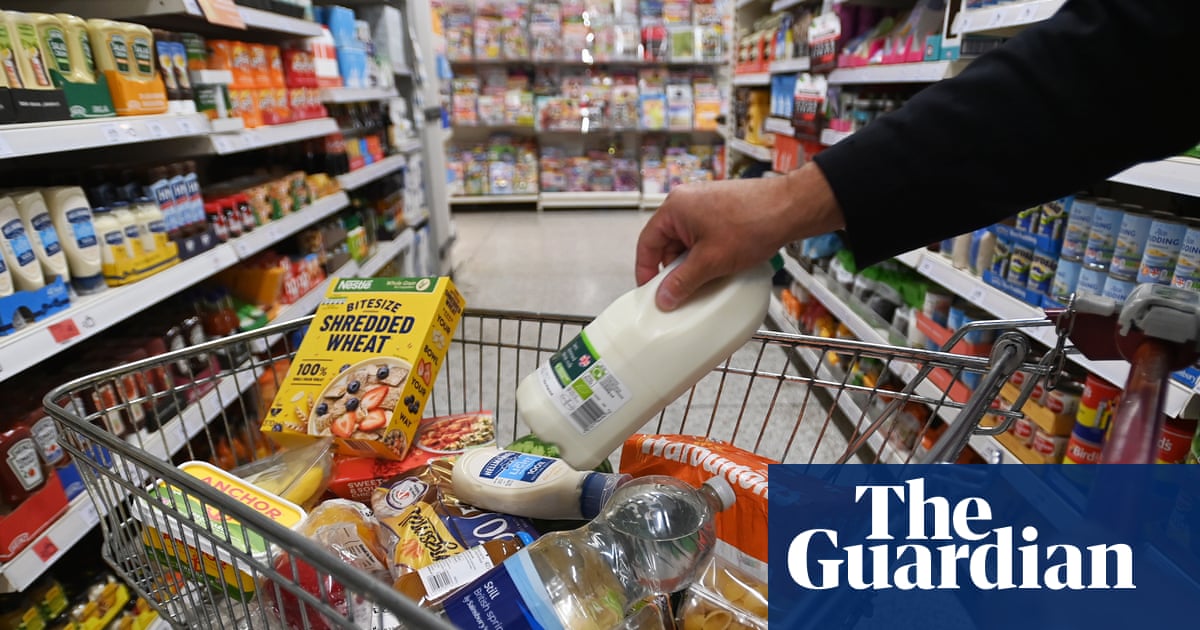
The British government has asked supermarkets to consider voluntary price freezes on essential food items to shield consumers from inflation driven by the Middle East conflict.
Retailers rejected the proposal, citing potential costs amid rising taxes, fuel and energy expenses, and arguing it could ultimately push up overall prices for shoppers.
One supermarket executive called the idea “completely mad”. Another said: “This is an unnecessary, unwanted and unjustified intervention in the market.”
The push follows a Scottish National Party pledge to use its devolved public health powers to fix prices on 20 to 50 items such as bread, milk, cheese, eggs, rice and chicken, citing rising costs that were “impacting our nation’s nutrition”.
Helen Dickinson, chief executive of the British Retail Consortium trade body representing major supermarkets, said: “The UK has the most affordable grocery prices in western Europe thanks to the fierce competition between supermarkets.
“Rather than introduce 1970s-style price controls and trying to force retailers to sell goods at a loss, the government must focus on how it will reduce the public policy costs which are pushing up food prices in the first place.”
Another well-placed supermarket source said retailers had not been formally asked to control prices, but a plan had been discussed for them to stock at least one version of basic items such as bread, milk and butter at a set low price.
One said: “There has been lots of chat. I don’t think they have got far on the potential scope [of controls]. The idea is we would have to provide, say, butter at a price and make sure that is available at all times.”
The source said that ensuring such availability could lead to branded or other more expensive lines having to be discounted to the set price if cheaper varieties ran out.
“The cost of doing something like this is huge,” the source said. “It would be a huge amount of work as we don’t sell every [version of a product] in every store.”
One of the retail executives argued the government should focus on reducing “cost headwinds”, as a price freeze would not “deliver the outcome they want”.
The source said the plan might depress prices on the 20 or so items covered but this was likely to have “unintended consequences on items they might not consider essential but might be for some families” as businesses sought to recover lost profits elsewhere.
The potential move comes after Chancellor Rachel Reeves met supermarket bosses last month to discuss concerns about the potential impact on the cost of living, including higher food prices, as a result of the Middle East conflict.
Reeves is due to announce measures to help households with the cost of living on Thursday, and it had been hoped she would announce the policy then. People close to the talks said there had yet to be any agreement, according to the Financial Times, which first reported the plans.
UK retailers, farmers and food producers have warned that without government help, there will be price rises and potential shortages.
The SNP made its eye-catching price-fixing pledge at the launch of its manifesto for the Scottish Parliament election, in which it won a record fifth term after securing 58 of Holyrood’s 129 seats.
The proposal, which was immediately dismissed as a “potty gimmick” by retailers, could also put the party on a collision course with the UK government because it may breach the Scotland Act of 1998 that created a devolved parliament.
A UK government source rejected the idea that Reeves was threatening to impose a government-mandated cap on prices, such as that favored by the SNP, saying instead it would be a voluntary price freeze. They added that talks were at an early stage.
The Treasury declined to comment.
📝 This article was rewritten with AI assistance based on content from The Guardian.
Related posts




Latest Post