
TRENDING
US Economic Confidence Plummets Amid Iran War, Gallup Poll Finds
3 minutes reading View : 87

World - 23 May 2026
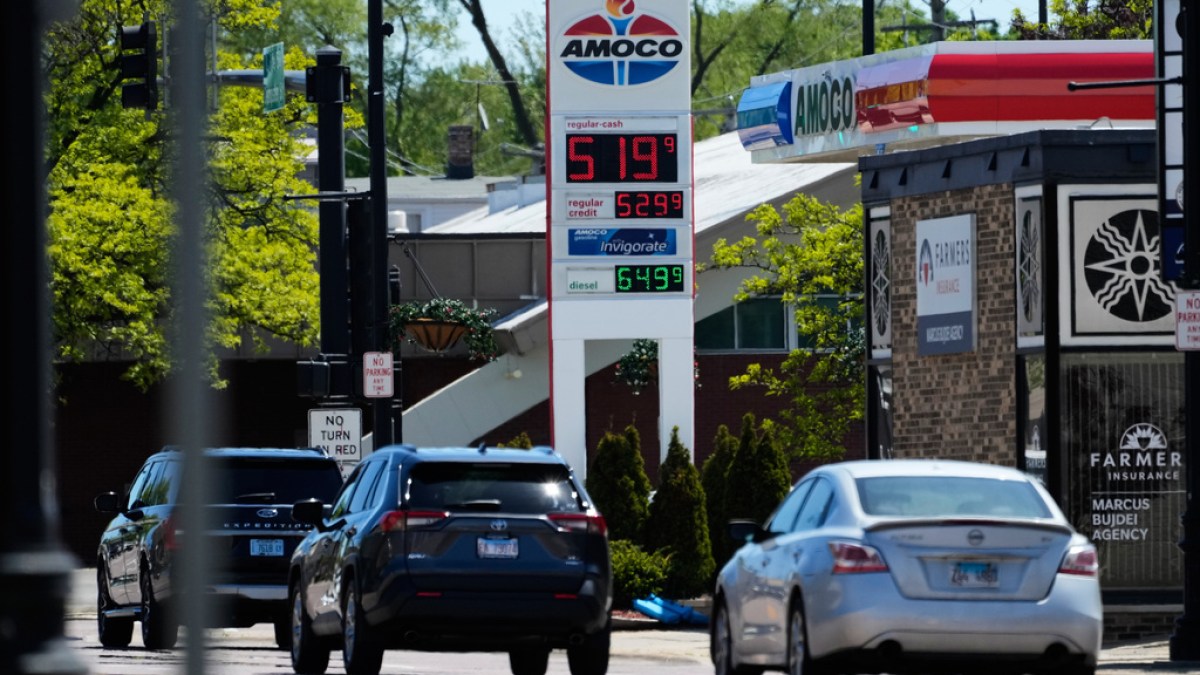
Only 16 percent of Americans view the U.S. economy as “good” or “excellent,” according to a new Gallup poll, as inflation accelerates amid the war with Iran.
The survey, released Friday, deepens President Donald Trump’s political challenges ahead of November’s midterm elections, which will determine whether his Republican Party retains control of Congress.
The Gallup Economic Confidence Index fell to -45, reflecting a sharp drop in public sentiment.
Forty-nine percent of respondents rated economic conditions as poor, and 34 percent as fair. Meanwhile, 76 percent said the economy is worsening, while 20 percent said it is improving.
The index averages two components: current economic conditions at -33 and economic outlook at -56.
This marks the worst reading since 2022, when cost-of-living surged following the COVID-19 pandemic and Russia’s invasion of Ukraine.
Gasoline prices in the U.S. have soared since the conflict with Iran began in late February. The average price per gallon (3.8 liters) rose to $4.55 from under $3 before the U.S. and Israel launched military operations.
Official government reports show consumer prices increased in March and April due to the energy crisis.
Iran responded to U.S. and Israeli strikes—which killed several top officials, including Supreme Leader Ali Khamenei, as well as hundreds of civilians—by closing the strategic Strait of Hormuz, sending oil and gas prices higher.
The U.S. also imposed a naval blockade on Iranian ports, exacerbating global energy supply strains.
Despite a ceasefire that began in April, blockades remain in place without a permanent end to the war. Iran now claims sovereignty over Hormuz, which operated as a free international passage before the conflict.
Parts of the strait run through Iranian and Omani territorial waters.
Although the U.S. is one of the world’s largest oil producers, energy prices are set globally, so the disruption has raised costs for American consumers.
As a candidate, Trump promised to be a president of “peace” and pursue “America first” policies prioritizing domestic issues over foreign interventions.
But Trump joined Israel in attacking Iran without direct provocation. His administration argues the military campaign is necessary to prevent Tehran from obtaining a nuclear weapon.
Iran denies seeking nuclear weapons. Trump’s own intelligence chief, Tulsi Gabbard, has said Tehran is not building a nuclear bomb.
Trump has repeatedly argued the cost of war is worth it, insisting gasoline prices will drop rapidly once the conflict ends.
Last month, the U.S. State Department released a legal justification for the war, stating Washington joined “at the request of and in the collective self-defence of its Israeli ally, as well as in the exercise of the United States’ own inherent right of self-defence.”
The Gallup survey is the latest in a series of negative polls for the Trump administration.
A New York Times/Siena poll released earlier this week showed only 31 percent of voters approve of Trump’s handling of the war with Iran.
Earlier this month, Trump suggested the economic fallout from the war and its effect on Americans “do not play a role” in his approach to Iran.
“I don’t think about Americans’ financial situation. I don’t think about anybody,” he said. “I think about one thing: We cannot let Iran have a nuclear weapon. That’s all. That’s the only thing that motivates me.”
📝 This article was rewritten with AI assistance based on content from Al Jazeera English.
Related posts



Latest Post