
TRENDING
US offers $100M in aid to Cuba conditional on reforms
4 minutes reading View : 44

Economy - 18 May 2026
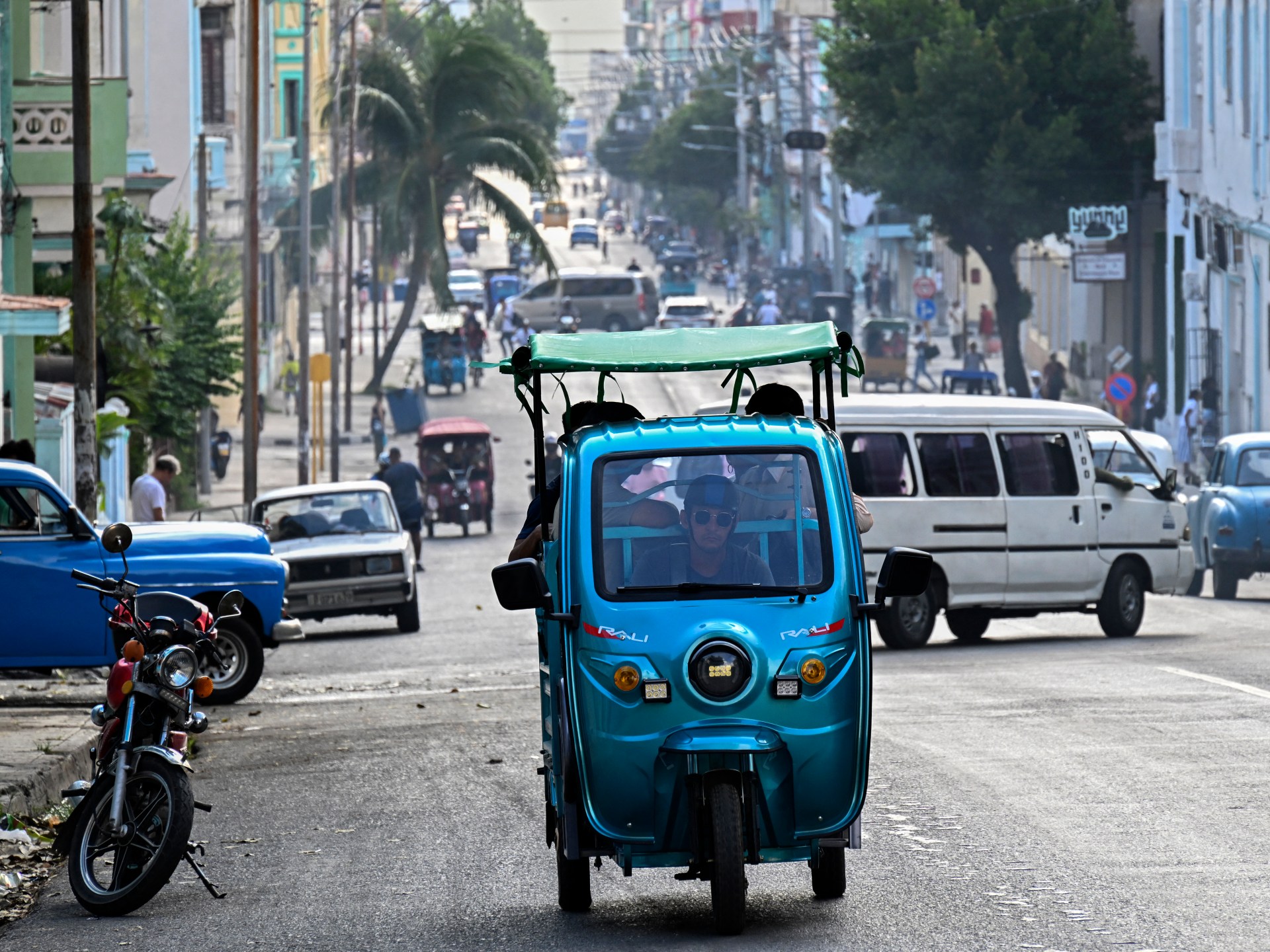
The United States has offered $100 million in humanitarian assistance to Cuba, contingent on the island’s communist government agreeing to “meaningful reforms.”
The offer was disclosed in a State Department statement Wednesday, though the Trump administration said it had previously made the proposal privately.
The $100 million comes with conditions, specifically that Cuba commits to changes approved by President Donald Trump.
“Today, the Department of State is publicly restating the United States’ generous offer to provide an additional $100 million in direct humanitarian assistance to the Cuban people,” the statement said.
“The decision rests with the Cuban regime to accept our offer of assistance or deny critical living-saving aid and ultimately be accountable to the Cuban people for standing in the way of critical assistance.”
The statement represents the latest move in a pressure campaign aimed at destabilizing Cuba’s communist leadership.
Since the Cold War tensions of the 1960s, the U.S. has maintained a comprehensive trade embargo on the Caribbean island, partly in response to the Cuban Revolution.
The embargo is the longest-running in modern history, and Washington has justified its continuation by citing systematic repression under Cuba’s government.
Critics, however, have condemned the embargo for worsening humanitarian conditions on the island.
The crisis escalated in January after Trump intensified efforts to oust Venezuelan President Nicolas Maduro, a close Cuban ally.
In subsequent weeks, Trump cut off Venezuelan funds and oil supplies to Cuba and threatened economic penalties against any country supplying fuel to the island, effectively imposing an oil blockade.
Since then, only one Russian oil tanker has reached Cuba, in late March. That same month, the island experienced two nationwide blackouts.
Cuba depends heavily on imported oil to run its aging power grid. According to the International Energy Agency, only 40 percent of its oil supply is produced domestically.
The United Nations warned earlier this year that Cuba faces a potential humanitarian “collapse,” with public transportation grinding to a halt, food prices soaring, and public services such as hospitals struggling to maintain operations.
Trump has repeatedly threatened to shift focus to Cuba after the U.S.-Israeli war on Iran ends, saying the island is “next” for regime change.
“As we achieve a historic transformation in Venezuela, we’re also looking forward to the great change that will soon be coming to Cuba,” Trump told Latin American leaders at a summit in March.
“Cuba’s in its last moments of life as it was. It’ll have a great new life, but it’s in its last moments of life the way it is.”
Earlier this month, Trump imposed new sanctions on the Cuban government, accusing the island of posing “an unusual and extraordinary threat to US national security and foreign policy.”
Media reports indicate the Trump administration has increased surveillance flights around Cuba, possibly in preparation for a buildup of military assets in the Caribbean.
In Wednesday’s statement, the State Department blamed the communist system for having “only served to enrich the elites and condemn the Cuban people to poverty.”
It did not address the U.S. role in the humanitarian crisis but instead portrayed Cuba’s government as an obstacle to delivering aid.
“The regime refuses to allow the United States to provide this assistance to the Cuban people, who are in desperate need of assistance due to the failures of Cuba’s corrupt regime,” the State Department wrote.
It added that, if Cuba accepts the terms, the $100 million would be distributed through the Catholic Church and “other reliable independent humanitarian organizations,” bypassing the Cuban government.
📝 This article was rewritten with AI assistance based on content from Al Jazeera English.
Related posts




Latest Post




