
TRENDING
White House: China to Buy $17 Billion in US Farm Goods Annually After Trump-Xi Summit
3 minutes reading View : 42

Economy - 18 May 2026
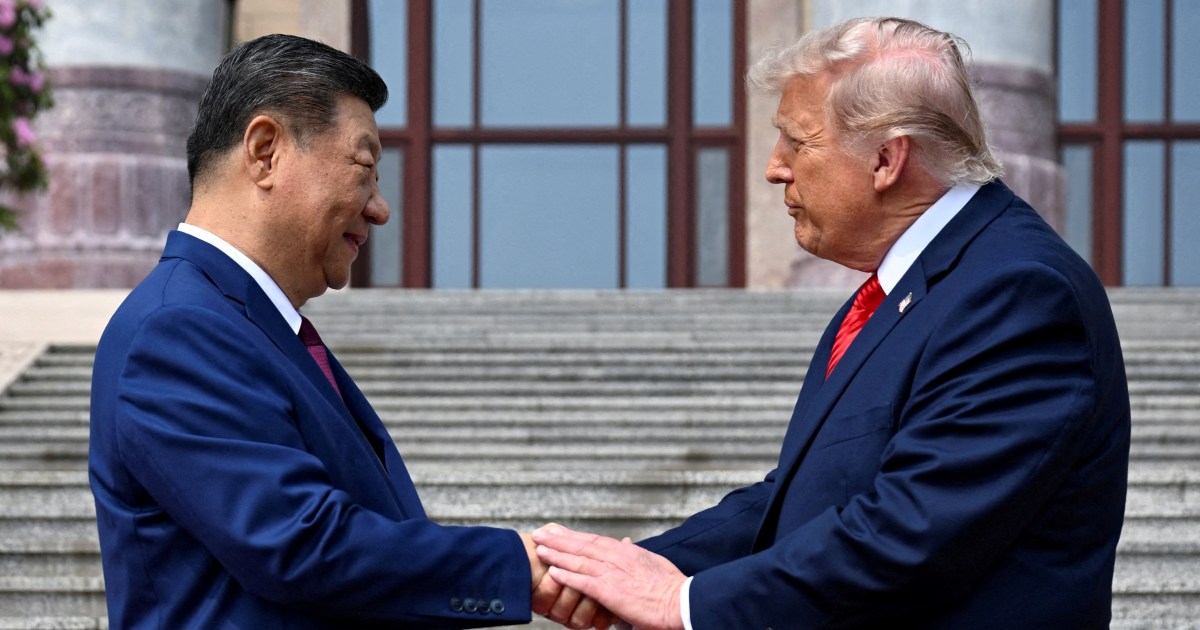
China will purchase at least $17 billion worth of agricultural products from the United States each year through 2028, the White House said Sunday, following President Donald Trump’s summit with Chinese leader Xi Jinping in Beijing.
According to a White House fact sheet, the annual commitment applies to the remainder of 2026 on a proportionate basis.
The White House said the agreement builds on a previous pledge, made during the Trump-Xi summit in South Korea in October, for China to buy at least 87 million metric tons of U.S. soybeans annually.
China will also restore market access for U.S. beef by renewing expired listings for more than 400 production facilities and resume imports of poultry from U.S. states declared free of avian influenza by the Department of Agriculture, the fact sheet said.
Trump and Xi agreed to establish two new bodies — the U.S.-China Board of Trade and the U.S.-China Board of Investment — to manage bilateral trade and investment, the White House said.
China has not confirmed or commented on the White House announcement.
The Chinese Embassy in Washington did not immediately respond to a request for comment.
The White House update provided further clarity on the outcome of the two-day summit, which featured extensive pageantry and camaraderie but yielded few concrete agreements.
During their talks in Beijing, Trump and Xi sought closer alignment on economic issues and trade while largely avoiding sensitive topics such as Taiwan and the U.S.-Israel conflict with Iran.
In a readout after the summit ended Friday, the White House said the two sides discussed ways to enhance economic cooperation, agreed on the need to keep the Strait of Hormuz open, and affirmed that Iran “can never have a nuclear weapon.”
Beijing did not explicitly state that Iran should not possess nuclear weapons but stressed the importance of reaching a settlement on the Iranian nuclear issue and other matters that addresses the concerns of all parties.
Neither White House statement mentioned Taiwan, the self-governing island that Beijing considers an integral part of its territory.
The omission came after Xi warned that mishandling the Taiwan issue could lead to “clashes and even conflicts” between the superpowers. Washington is committed to defending Taiwan under the 1979 Taiwan Relations Act.
After nearly a decade of tit-for-tat economic measures between Washington and Beijing, U.S.-China trade has declined sharply from its peak.
Bilateral goods trade last year totaled approximately $415 billion, down from more than $690 billion in 2022.
📝 This article was rewritten with AI assistance based on content from Al Jazeera English.
Related posts


Latest Post




