
TRENDING
Zelenskyy: Oil plant strikes all going to plan; EU considers Ukraine membership
4 minutes reading View : 28

World - 22 May 2026
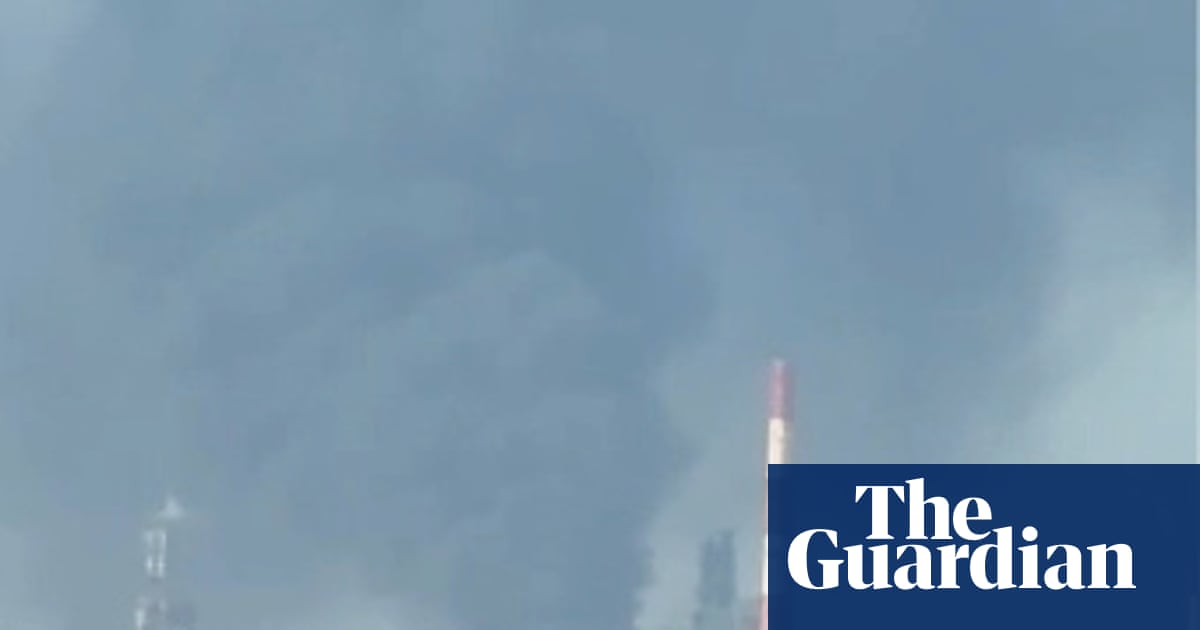
Ukrainian drones struck the Syzran oil refinery more than 800km inside Russia, setting it alight, President Volodymyr Zelenskyy said Thursday, posting video of the aftermath. Russia’s independent Astra news outlet reported that the drones hit the Syzran refinery, owned by Rosneft. Vyacheslav Fedorishchev, governor of Samara region, said two people were killed by the drones in Syzran but did not mention the refinery.
Zelenskyy said Ukrainian drones struck another refinery the previous day. “Overall, our long-range plan for May is being carried out largely in full. The key targets are Russian oil refineries, storage facilities and other infrastructure tied to these oil revenues,” he said. The escalating attacks have hurt Moscow’s revenue amid international sanctions. With some strikes reaching more than 1,500km into Russia, they have contributed to a sense of insecurity among Russians and heaped pressure on President Vladimir Putin.
Ukrainian forces have pushed back Russian troops along parts of the frontline, making their most significant battlefield gains since 2024, according to the Institute for the Study of War. Ukraine’s “intensified midrange strike campaign” since early 2026 “has also degraded Russian forces’ ability to conduct offensive operations across the theatre and has also likely supported recent Ukrainian advances,” the US thinktank said in a Wednesday assessment.
Ukraine has slowed Russia’s battlefield advance and is gradually regaining the initiative along the frontline, said Defence Minister Mykhailo Fedorov, partly because Russian forces have been denied access to Starlink satellite services to steer drones. “Russia has since not been able to find a full replacement [for Starlink], giving Ukraine a critical battlefield advantage,” Fedorov said.
Russia and neighbouring Belarus held the final stage of their joint nuclear drills. Russia’s defence ministry said Thursday that its forces launched a Yars ballistic missile and a Zircon hypersonic missile as part of missile tests. During the exercises, trucks carrying intercontinental ballistic missiles rumbled over forest roads, atomic-powered submarines set sail from Arctic and Pacific ports, and crews scrambled into warplanes.
German Chancellor Friedrich Merz wants the EU to consider “associate membership” for Ukraine and revive talks aimed at ending the war, according to a letter he wrote to top EU officials that was seen by the Associated Press. Under Merz’s proposals, Ukraine would take part in EU meetings without voting rights and would also have non-voting “associate members” in the European Commission and the European Parliament.
On Wednesday, Zelenskyy welcomed signs of possible progress in the membership negotiations, saying in an address that it was “very important for us. Ukraine has fulfilled everything necessary for this progress.” Merz wrote that his proposal “will help facilitate the ongoing peace talks as part of a negotiated peace solution. This is essential not only for Ukraine’s but for the entire continent’s security.”
Former Estonian President Kersti Kaljulaid on Wednesday offered a clear take on the EU membership question. “Question is: Ukraine is a military power with huge military production capability. Whose hands must it be in? In Russian hands [or] western hands? End of story. This is our question. This is our objective. Have Ukrainians with us, because imagine they started, like in Soviet Union times, to build all these things for Russia, not for us. And that gives you your answer. It’s very simple,” she said.
The EU can freeze assets linked to sanctioned Russians even if those assets are held by a trust with no direct legal link to the persons involved, the EU’s Court of Justice ruled Thursday. The court said assets can also be frozen if they are only indirectly linked to the person on the sanctions list. The ruling related to the seizure by Italian authorities of companies and a yacht held through complex ownership structures by trusts. The companies had challenged the freezing of those assets, but the EU court dismissed their claim and said indications of ownership or control could also be inferred from circumstances or from “needlessly complex legal structures.”
📝 This article was rewritten with AI assistance based on content from The Guardian.
Related posts




Latest Post