
TRENDING
Mick Jagger, Eric Clapton Win Battle Against 29-Storey Thames Tower
3 minutes reading View : 2

経済 - 18 May 2026
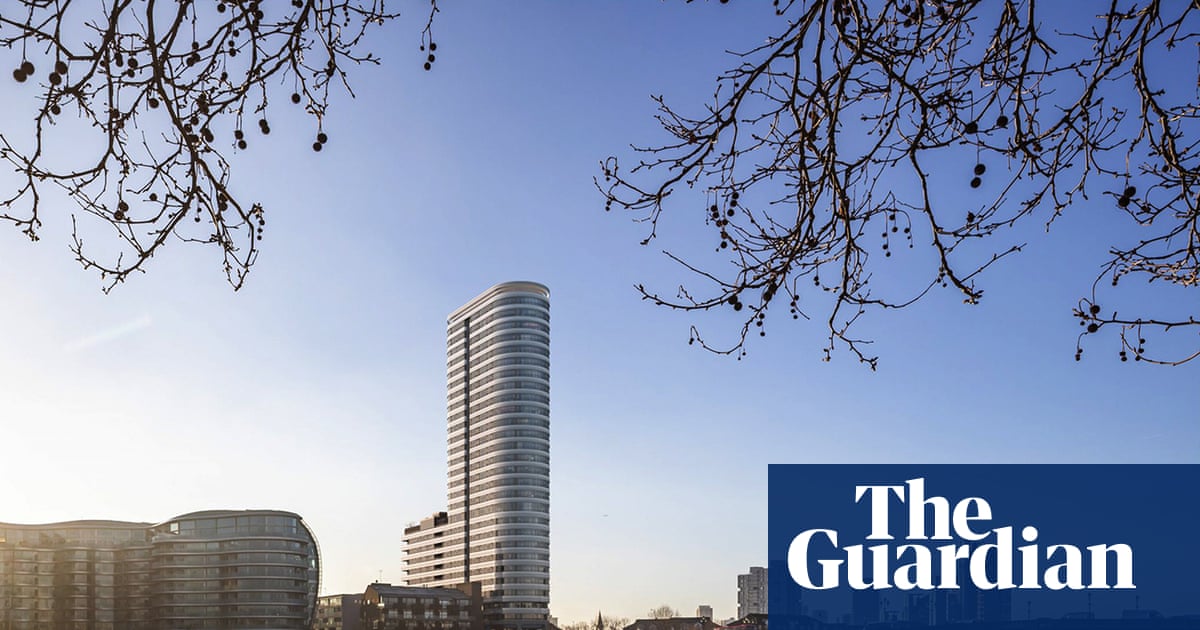
Celebrities including Rolling Stones frontman Mick Jagger have defeated plans to build a 29-storey tower on the banks of the River Thames.
Jagger, along with fellow rock star Eric Clapton, actor Felicity Kendal and comic Harry Hill, fought developer Rockwell Property for two years over its plan to erect a 100-metre tower next to Battersea Bridge. The proposed tower on the south bank in southwest London would have rivaled the height of the famous chimneys on Battersea Power Station.
Jagger, 82, who has had a home on the north bank since the early 1960s along with bandmate Keith Richards, said the tower made “no sense” and was “totally wrong on every level”.
“I have lived in this area for a long time and I care about what happens to it,” Jagger told the Chelsea Citizen in March. “If this goes ahead, it could lead to more tall buildings being built … changing this wonderful stretch of the Thames riverside for ever.”
Clapton, 81, warned that approval would create a “free-for-all for other developers to build towers along the river”. He added: “These developers don’t give a damn what anyone thinks. They are just in it for the money.”
Rockwell Property initially proposed a 34-storey tower with 142 flats, later reduced to 110 flats including 54 affordable homes, along with underground parking and commercial spaces. The developer argued the project addressed “an urgent need for new, high-quality housing” in London.
Wandsworth Council rejected the plans, citing the project’s “excessive height and scale” and stating it “would represent an unacceptable and incongruous transformative change within the location that would significantly harm the spatial character of the same location”. The council also said the tower would spoil the skyline and “devastate” neighbors’ lives. The Greater London Authority backed the decision.
Rockwell appealed but got no satisfaction, as a planning inspector supported objectors and the council by ruling the tower would have “adverse effects on the character and appearance of the local area” and “be overbearing”.
After an eight-day public hearing, planning inspector Joanna Gilbert said: “The proposal would cause harm to townscape character in several identified views from different directions and differing distances.”
“[It] would be taller and bulkier than other existing buildings, rendering it highly noticeable,” Gilbert continued. “The proposal would cause a dramatic change to the skyline in views along this part of the [Thames] embankment. Overall, this change would be detrimental.”
Gilbert added: “The proposal is not exemplary, extraordinary, remarkable or distinctive, just tall. It would not adorn the London skyline and would not form part of a ribbon cluster of tall buildings, but would appear alien and isolated in its very height in this location, harming spatial character.”
Rockwell said in a statement: “We are obviously disappointed with the decision as we firmly believe in this regeneration project. We wanted to see it delivered and made a number of changes to the scheme following feedback from the public.”
The developer added: “We did not compromise on quality, using the world-renowned architects, Farrells, so it is disappointing the inspector did not share our view that this would be a great addition to London’s skyline.”
This article was amended on 16 May 2026 to remove a reference to Brian Jones living on the north bank of the Thames; while the former Rolling Stone did once live in this part of London, Jones died in 1969.
📝 This article was rewritten with AI assistance based on content from The Guardian.
Related posts




Latest Post