
TRENDING
Miami Upgrades Tighten F1 Field; Mercedes Still Wins
3 minutes reading View : 46

Sports - 18 May 2026
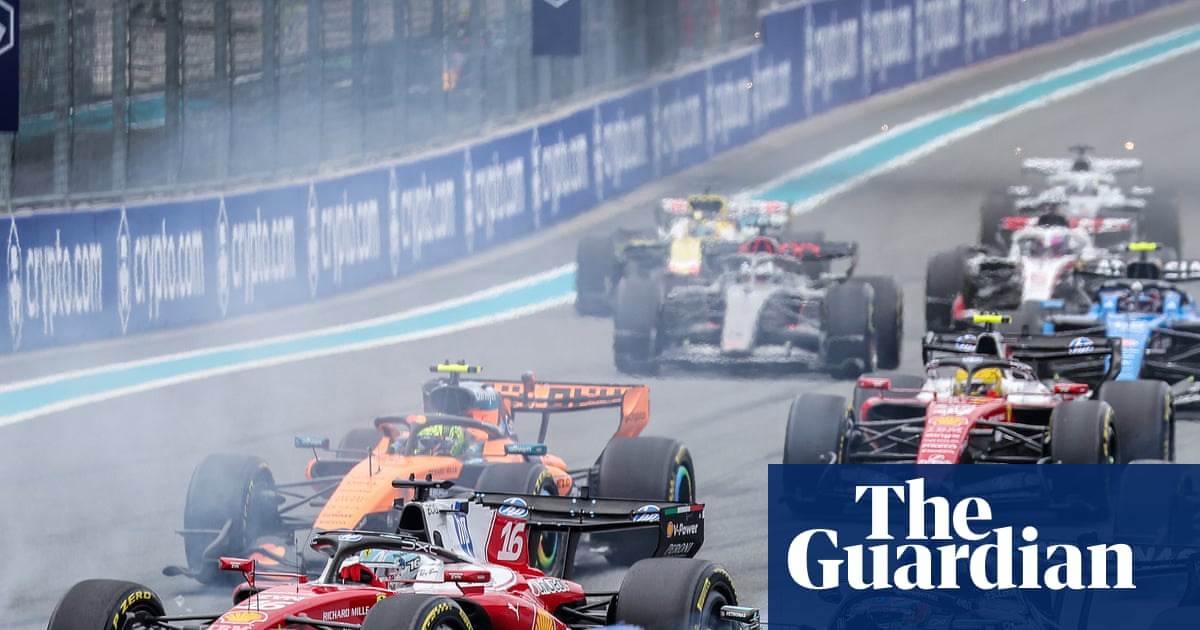
The Miami Grand Prix demonstrated that while Mercedes continues to win, the competitive landscape may be shifting, as upgrades from rivals have tightened the field.
Regulation changes dominated pre-race discussion, but on-track action highlighted the impact of technical upgrades rather than the increasingly tiresome topic of “energy management.”
Mercedes had won the first three races before a five-week break due to cancellations, during which McLaren, Red Bull, and Ferrari developed significant upgrades; Mercedes did not.
The results confirmed that substantial gains are possible under current regulations, with McLaren and Red Bull making notable progress. Lando Norris and Oscar Piastri scored a one-two in the sprint, and Norris could have beaten race winner Kimi Antonelli of Mercedes but for a pit stop decision and its execution.
McLaren returned to the front at a track where they have historically performed well. Team principal Andrea Stella believed Mercedes still held a one- to two-tenth advantage, but Norris appeared competitive on track.
Red Bull also improved after three uncompetitive races, bringing aero upgrades and steering adjustments. Max Verstappen found the car he had been seeking, qualifying second, though an opening-lap spin likely cost him a chance at victory.
Ferrari expressed disappointment after failing to match the strides of their rivals. Charles Leclerc appeared a contender for the win but his pace faded, a recurring pattern this season, as he cited lack of race pace and severe tire degradation.
McLaren has further upgrades planned, including a new front wing for Canada, while Mercedes will introduce their first major upgrade to the W17 in Montreal. The development war is expected to intensify, with teams also looking ahead to next year’s cars.
The reception to regulation changes aimed at addressing driver dissatisfaction with energy management was lukewarm. The adjustments to energy recovery and deployment parameters were welcomed but deemed insufficient.
Drivers remain vocal about their unhappiness. Norris summarized the sentiment by saying drivers are “still penalised for pushing the cars” and that the only solution is to “get rid of the battery.” Verstappen agreed: “The faster you go through corners, the slower you go on the next straight.”
This criticism came at an “energy-rich” track with abundant braking zones. At “energy-starved” circuits, the chorus of disapproval is expected to return, as drivers dislike lifting and coasting or super-clipping.
The sport faces an impasse: drivers are unhappy, but F1 celebrates increased overtaking. The crowd in Miami roared as Leclerc, Norris, and Antonelli battled early in the race.
The yo-yo or Mario Kart effect divides opinion. Critics call it as artificial as DRS, but F1 cites positive fan feedback. Mercedes team principal Toto Wolff suggested anyone who did not find the Miami race entertaining should “hide.”
The dichotomy for F1 after Miami is inescapable: the sport’s stars still say they do not enjoy driving the cars, a problem that cannot be overlooked by any amount of power-assisted overtaking.
📝 This article was rewritten with AI assistance based on content from The Guardian.
Related posts






Latest Post