
TRENDING
Vinted CEO: secondhand normalization drives growth beyond fashion
4 minutes reading View : 1

経済 - 21 May 2026
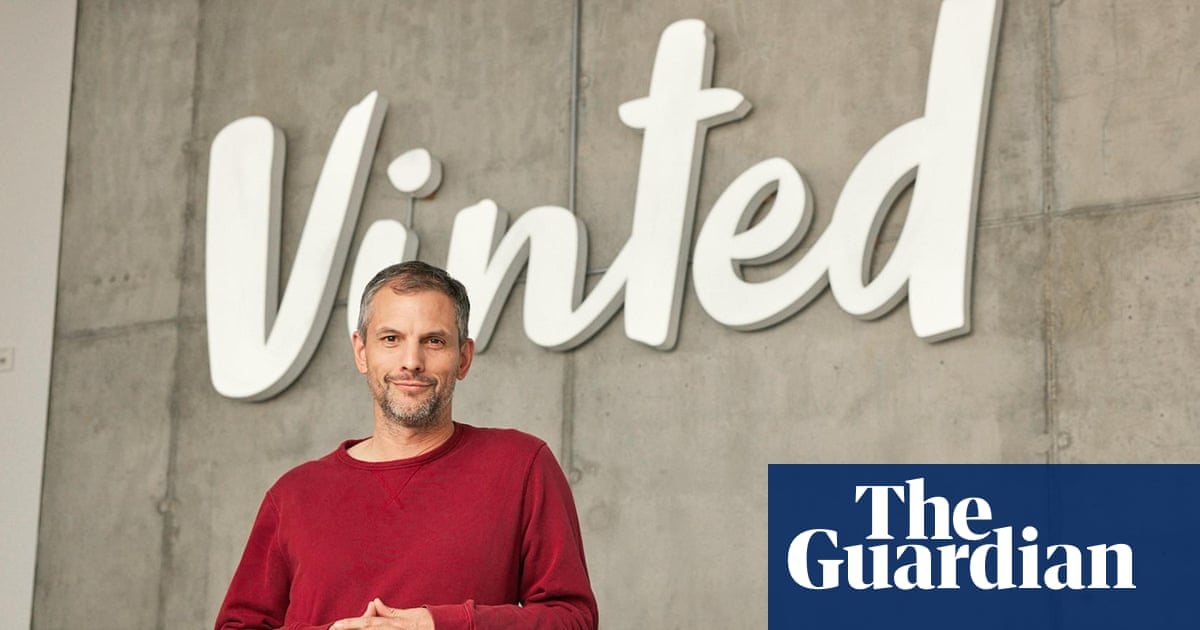
The United Kingdom has seen secondhand fashion and homewares transition from charity shop mainstays to leading shopping trends, driven by the normalization of pre-owned goods, said Adam Jay, chief executive of Vinted’s main marketplace unit.
Britain is competing with France to become Vinted’s largest market and is among its fastest-growing as the online platform expands beyond clothing into categories such as smartphones, books and rugs.
“I see a deep and sustained change in how people buy and how people think about things that they own,” said Jay, who has led the marketplace since 2022.
“We’re a very meaningful part, now, of UK fashion, and we’re becoming a very meaningful part of the retail scene in other categories as well,” he said.
Over the past five to 10 years, British consumers have embraced secondhand buying to a far greater degree, benefiting Vinted, eBay (recent subject of a $55.5bn takeover bid), Depop, Facebook Marketplace and other smaller rivals, Jay said. Preloved items now account for about a tenth of global fashion sales, and he believes there is room for further growth.
Vinted, along with discount platforms Shein and Temu, has disrupted UK retail, pressuring established online sellers such as Asos and Boohoo, budget chain Primark, and retailers including John Lewis, Currys and Argos.
Although Vinted’s environmentally focused mission to make secondhand the first choice differs from Shein’s model of cheap new goods from Chinese factories, Jay said both benefit from consumers’ hunt for value as rising energy and food costs squeeze disposable income.
He said Vinted, Shein and Temu are all growing for “fundamentally the same reason” – “because it’s cheap and easy. Our main competitor is new [products].” Vinted shoppers save an average 72% compared with buying new equivalents, according to the company’s impact report published this week.
Nearly one-third of Vinted users said they use those savings to cover essential household expenses, the report found.
Vinted was founded in Lithuania in 2008 by then-22-year-old Milda Mitkuté, who conceived the idea at a party with friend Justas Janauskas while clearing her wardrobe before moving house. Two weeks later, they launched a website to sell 100 items of her clothing, but forgot to include a “buy” button.
The business had expanded to the UK by 2014 and gained significant traction in 2021 as people cleaned out wardrobes during Covid-19 lockdowns.
By 2022, 8 million Britons were using Vinted, predominantly women aged 18-35. That figure doubled to 16 million the following year. Vinted now declines to disclose user numbers but said it serves millions globally and attracts a broad demographic including pensioners, parents and teens.
“My 84-year-old mother is selling on Vinted,” said Jay, a former Expedia executive who said he makes most of his personal purchases through the site. “Pretty much everything in our family is secondhand. The last two Christmases we had secondhand only Christmas or Vinted-only Christmas.”
Vinted operates in more than 25 countries and now runs its own delivery and financial services. It was valued at €8bn (£7bn) in April when it sold €880m in shares to provide liquidity for longtime investors. Sales through the site reached €10.8bn last year, nearly matching Primark globally. Vinted, which earns commission on each sale, generated €1.1bn in revenue and net profit of €62m in 2025, down 19% from a year earlier because of expansion spending.
In the UK, sales rose 47% last year, growing “significantly ahead” of other markets. “The UK has been incredible,” Jay said. Growth has been fueled by Vinted’s expansion beyond fashion into 3,000 product categories, including phones, cameras and books.
Most categories have performed well, except large furniture, where logistics and higher costs have dampened sales. Jay said Vinted is prepared to test many categories even if some do not succeed immediately. “We want people to be thinking about how they can give every item as long as possible life. Don’t allow things to sit in the back of the cupboard for years and years untouched. Get them to someone who’s going to love them, wear them, use them.”
📝 This article was rewritten with AI assistance based on content from The Guardian.
Related posts





Latest Post