
TRENDING
Australia’s nature repair market fails threatened species, experts say
4 minutes reading View : 35

Science - 18 May 2026
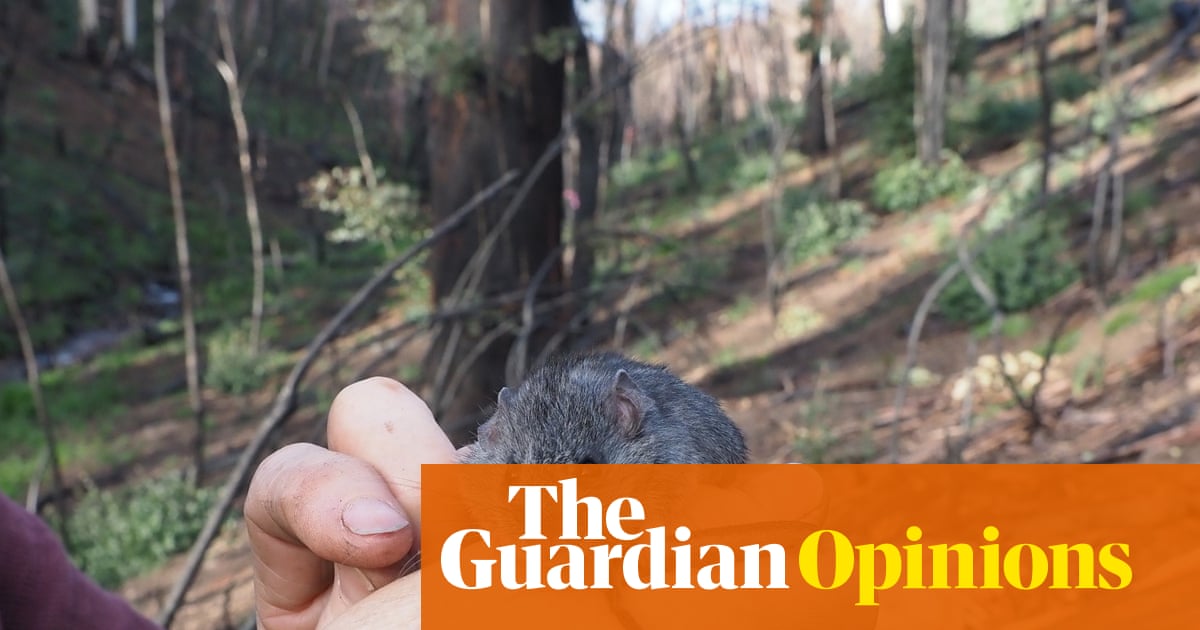
Anthony Albanese’s government swept to power in 2022 and, among many promises made to voters, it firmly committed to end a decade of environmental neglect. Four years later, the federal budget and newly passed national environmental law reforms make it clear the government is failing to deliver, according to two ecologists.
This failure is existential for Australia’s remarkable, unique and increasingly imperilled wildlife and ecosystems, wrote Euan Ritchie, a professor at Deakin University, and Dr. Yung En Chee, an applied ecologist at the University of Melbourne, in a commentary for The Guardian.
Environmental funding is set to decline from an already paltry 0.06% of the federal budget for on-ground nature programs to less than 0.04% in 2028-29, they noted. The government is retuning environment policy to favor business imperatives and doubling down on a contentious and unproven nature repair market.
This flies in the face of the fact that 96% of Australians surveyed want more action to care for nature, and 76% believe at least 1% of the annual federal budget should go to protecting and recovering nature.
One must ask why the federal government is so comfortable ignoring the wishes of most Australians and condemning life-sustaining environment and wildlife to profound decline and destruction, the authors wrote.
National environmental standards were the centerpiece of the Environment Protection Biodiversity Conservation Act reforms in response to the Samuel review. Their purpose was to “improve environmental protections and guide decision-making by setting clear, demonstrable outcomes for regulated activities” — language that appeared on the Department of Climate Change, Energy, the Environment and Water’s website from January 2023 until April 2025.
Yet despite a deal with the Greens to pass the EPBC reform bill in December 2025, only two national environmental standards have been released for consultation and none have been finalised. The department dropped the phrase “setting clear demonstrable outcomes for regulated activities” and instead inserted language diluting environmental outcomes and highlighting business demands, such as “give business clear rules” and “help decision-makers be fair and consistent.”
Experts in biodiversity and environmental law have found major flaws in the draft national standard for matters of national environmental significance, which covers threatened species, world heritage properties, wetlands of international importance and the Great Barrier Reef, and concluded it will do little to protect nature.
Slow progress on standards that are still far from fit for purpose handicaps the National Environmental Protection Agency in carrying out key responsibilities of assessing proposals, setting conditions for approvals, education, compliance and enforcement. This is unlikely to restore public trust among the more than three in four Australians who lack strong trust in any political party or candidate to protect the environment.
Nature markets have been touted as a solution for environmental protection and repair, but despite decades of grand claims, there is precious little evidence they are effective at halting and reversing environmental degradation and biodiversity loss.
Threatened species and nationally and internationally significant places exist in specific locations with specific requirements. Australia is protecting more land than ever but still failing to protect its growing list of threatened species because their habitats are not protected, the authors wrote. Market-driven nature repair projects will not help address this deficit.
After spending tens of millions on policy development, the biodiversity market register now shows one listed project with no biodiversity certificates issued against it. A “green Wall Street” is failing to launch, they said. Despite this track record and dim prospects for meaningful conservation, the budget allocates a further $36.9 million for the nature repair market and biodiversity offsets.
Enthusiastic optimism about such markets, including from Ken Henry and the Australian Climate and Biodiversity Foundation, is premature given that they are prone to poor governance and outcomes and risk giving governments an excuse to sidestep obligations to conserve nature and delay urgent action, the authors wrote.
Australia is a wealthy and sovereign nation, they said. The government can easily afford to greatly increase direct investment in environmental protection and restoration today — and most Australians want this. The climate crisis and biodiversity loss will amplify each other’s impact, they warned.
A minuscule and declining environmental budget, prioritising “single-touch” assessments and fast-tracking pathways for development approvals, is entirely the wrong approach in the face of existential threats and will only bake in Australia’s already atrocious conservation record.
The declaration that the environment was “back” under the Albanese government was met with public optimism and goodwill, the authors concluded. It would be a betrayal of Australia’s most important public good to settle for mere appearance of action — we deserve the promised serious investment in our collective future.
📝 This article was rewritten with AI assistance based on content from The Guardian.
Related posts




Latest Post




