
TRENDING
English Wines Achieve Record Gold Medal Haul at International Wine Challenge
3 minutes reading View : 50

World - 20 May 2026
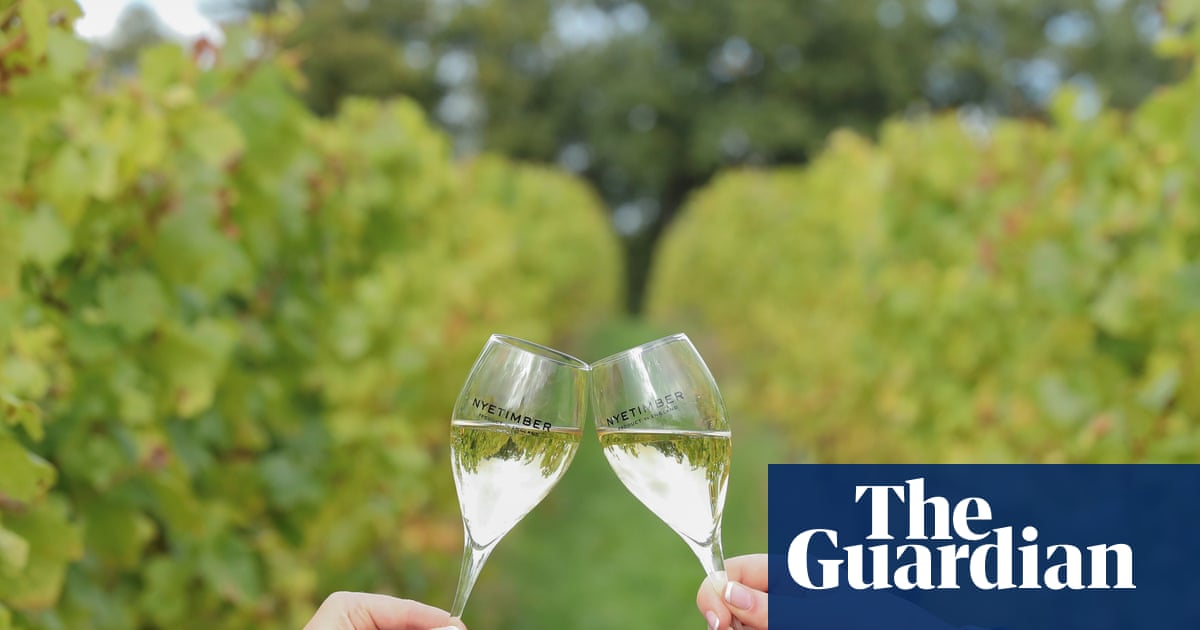
English wines achieved the highest percentage of gold medals per entry at a global competition, with experts calling the improvement remarkable.
At the International Wine Challenge (IWC), English wines won 25 gold medals in the most recent competition, up from 10 in 2025.
Sam Caporn, a master of wine, said: “I think there are a number of reasons why England did so well this year. One of them is that for many of the top producers, the vines are getting older which leads to greater quality; Nyetimber’s first vintage for example was in 1992 so actually over 30 years ago now.”
She added that the wines were being matured for longer: “There is also the possibility of increased bottle age – Wiston for example, won a trophy for their Cuvee 2009 Magnum and reserve wines are also taking on more complexity with every year that goes by.”
As climate change brings more sunny days and warmer weather to southern England vineyards, extreme weather such as drought can threaten crops.
Oz Clarke, co-chair of the IWC, said: “The improvement in English wine over the past decade has been remarkable. Growers now understand their vineyards far better, winemaking has become more precise, and there’s a real confidence about what England can achieve, particularly with sparkling wine. The results at this year’s International Wine Challenge show just how far things have come: English wines are being judged alongside the world’s best and are winning on quality alone. It’s very exciting to see.”
Caporn said: “Arguably newer producers and plantings are also learning from their predecessors with an understanding of how important microclimate is as well as soil, coupled with using a whole raft of different clones and rootstocks for better blending options. It’s a really exciting time for English wine right now with an appreciation of newer regions such as the Crouch Valley in Essex and consequently still wines are also coming into their own and not just sparkling. It’s a truly exciting time for our industry and really rewarding for the winners to see the plaudits they richly deserve being awarded to our homegrown talent.”
Supermarket wines from Aldi, Tesco, Marks & Spencer and Sainsbury’s also won gold medals in the competition.
England ranked ninth overall among countries, with France in the lead, but won more gold medals as a percentage of entries than any other nation.
Sixteen percent of English wines entered achieved gold medals. Kent led English regions with 12 gold medals, primarily for sparkling wine and chardonnay. Judges said the success demonstrated England’s “rise as a world-class wine producing country”.
France won awards for its champagne and burgundy wines, followed by Spain for sherries and rioja, and Portugal for its port.
Marks & Spencer’s Champagne Delacourt Vintage Blanc de Blancs 2017 from France won a gold medal.
Marks & Spencer’s Collection Barossa Valley Shiraz 2024 from Australia also earned a gold.
Aldi’s Exceptional Botrytis Riesling 2017 from New Zealand won a gold medal.
Aldi’s Exceptional Asti NV from Italy also took gold.
Fletcher’s LBV Port 2021 from Portugal, sold at Aldi, won a gold medal.
Tesco Finest Picpoul de Pinet 2024 Les Costières de Pomerols from France earned gold.
Tesco Finest Barolo 2021 Fratelli Martini Secondo Luigi from Italy won a gold medal.
Sainsbury’s Taste the Difference Rioja Gran Reserva 2018 from CVNE in Spain also achieved gold.
📝 This article was rewritten with AI assistance based on content from The Guardian.
Related posts




Latest Post