
TRENDING
Exercise Timing Should Match Your Body Clock, Study Suggests
4 minutes reading View : 34

Health - 22 May 2026
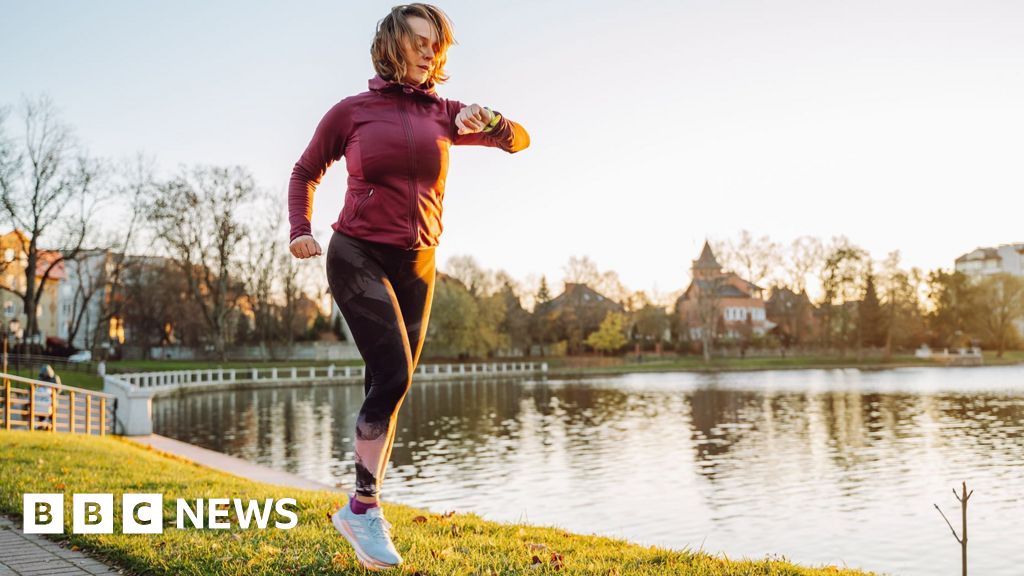
To derive the maximum benefit from a gym session, fitness class or run, health researchers recommend performing exercise at the time of day that aligns with an individual’s natural internal body clock.
Early risers, or “larks,” should exercise in the morning for optimal results, while night owls should train in the evening, according to the study.
Synchronizing exercise in this manner may boost cardiovascular gains, particularly for individuals already at higher risk of heart disease, a new study published in the journal Open Heart suggests.
Volunteers who adhered to this approach experienced improved sleep, lower blood pressure and healthier blood sugar levels overall.
The study involved 134 participants in their 40s and 50s in Pakistan.
None of the participants were highly fit, and each had at least one heart risk factor, such as high blood pressure or being overweight.
They were instructed to complete supervised, brisk-walking sessions on a treadmill for 40 minutes daily, five times per week over three months.
Based on questionnaires, 70 participants were classified as morning larks and 64 as night owls.
Some performed their exercises at times that matched their body clock chronotype—the natural predisposition to morning or evening alertness—while others did the opposite.
Both groups showed improvements in fitness.
However, matching exercise with chronotype produced larger health gains in blood pressure, aerobic capacity, metabolic markers and sleep quality.
The researchers explained that the internal body clock influences sleep-wake patterns, hormone levels and energy throughout the day, which in turn can affect exercise performance and adherence.
The study authors stated that the findings suggest a “one-size-fits-all” approach to exercise timing is less than ideal.
A mismatch between biological and social schedules, known as “social jetlag,” has been linked to increased heart risk.
Night owls may face greater risk of social jetlag, the researchers added, meaning they should not force early morning exercise routines.
Some gyms now remain open around the clock.
Hugh Hanley, Personal Training & Fitness Director at PureGym, noted that Monday and Tuesday evenings are typical peak busy times but that people are increasingly spreading out their training hours.
“One thing we have noticed over the last few years is people are actually prioritising their health more, bringing in more flexibility,” Hanley said.
He emphasized that consistency is key to staying fit—creating a habit of movement and building it into one’s lifestyle.
“Doing it regularly is better than one or two blasts,” Hanley said.
“We see a lot of the time that people set too big a goal initially. We’d always rather they break it into small bite-sized goals that are achievable.”
The current trend, Hanley said, is strength training. “We’re seeing a big rise… across all generations. The younger generation are definitely prioritising strength training, but even the older demographic.”
Dr. Rajiv Sankaranarayanan of the British Cardiovascular Society, which co-owns the journal Open Heart, said the findings support a shift toward workouts that suit body clocks, but he called for further studies to confirm the results.
Dr. Nina Rzechorzek, an expert in body rhythms at the University of Cambridge, said that while timing may be one factor worth considering, getting enough regular exercise is most important.
Evidence suggests that doing a mix of exercises is helpful, with the NHS recommending strengthening activities at least two days per week and vigorous cardio exercise for at least 75 minutes.
For those ready to exercise at any time of day, strength-training exercises such as wall squats or holding a plank position are among the best ways to lower blood pressure.
These isometric exercises are designed to build strength without moving muscles or joints.
Wall squats involve placing the back against a wall and lowering into a sitting position using the hips until the thighs are parallel to the ground.
The plank involves holding a position similar to a push-up for an extended period to work the core abdominal muscles, back, shoulders, arms and glutes.
📝 This article was rewritten with AI assistance based on content from BBC News.
Related posts




Latest Post