
TRENDING
Israel pushes for Iran war despite US ceasefire, options limited
5 minutes reading View : 37

World - 21 May 2026
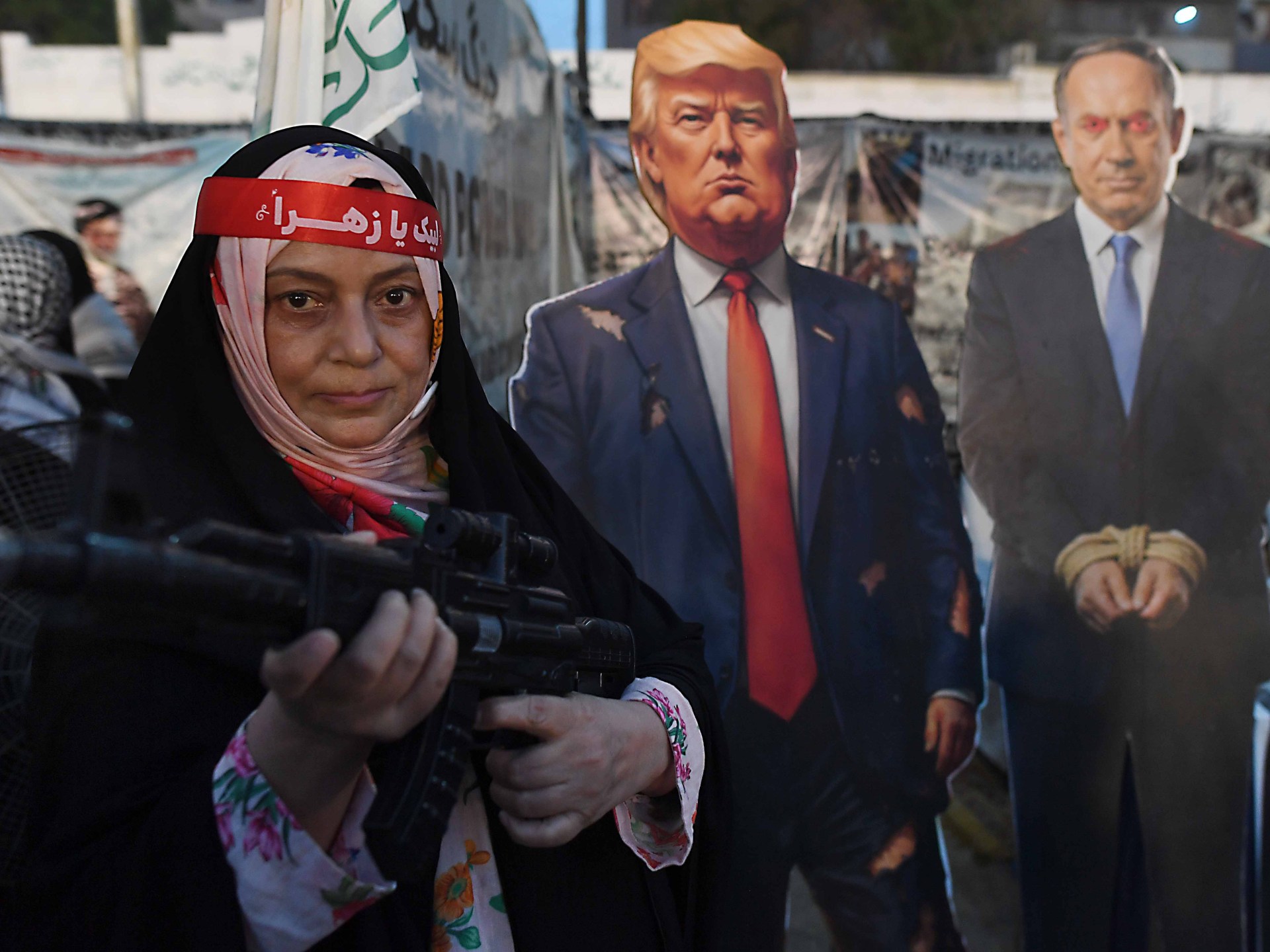
While the United States steps back from threats to resume bombing Iran if it fails to agree to a peace deal, Israel’s political establishment is reportedly eager for war.
Shimon Riklin, an anchor for the right-wing Israeli Channel 14, disclosed apparently confidential plans for a renewed attack on Tehran, including the location of what he claimed was a uranium storage facility that could be targeted.
Members of the Israeli parliament roundly criticized Riklin’s alleged revelations, prompting the anchor to say his comments were purely hypothetical.
Nonetheless, despite broad agreement that Israel is eager to restart hostilities, it is unlikely to do so without U.S. approval, which does not appear imminent. Reports of a late-night call between Israeli Prime Minister Benjamin Netanyahu and U.S. President Donald Trump over Washington’s push for a truce regardless of Israeli concerns left Netanyahu reportedly with his “hair on fire.”
This week, Israeli media reported that Netanyahu chaired the second meeting of his security cabinet to discuss renewing the conflict with Iran. Despite billions of dollars in Israeli and U.S. ordnance used against Iran, the government in Tehran remains in place.
Iran’s deterrence strategy, including strikes on regional states and the subsequent closure of the Strait of Hormuz, has reduced the U.S. appetite for renewing a costly and potentially endless war against Tehran.
For Netanyahu, the April 8 ceasefire – agreed with little Israeli involvement – has proven politically costly and, analysts say, unnerved a public conditioned to view Iran as an existential threat.
Opposition leader Yair Lapid and former Prime Minister Naftali Bennett have used the ceasefire as political currency to attack Netanyahu. Lapid described the truce as one of the greatest “political disasters in all of our history,” a view that appears to align with that of the Israeli public.
A poll by the Israel Democracy Institute in early May showed that a majority of Israelis believed a premature end to the war ran counter to their country’s security interests, while a similar percentage thought a resumption of the conflict is likely.
To a public and political class accustomed to viewing Iran as their number one nemesis, it is unclear what solution they seek in dealing with Tehran, Haggai Ram of Ben-Gurion University told Al Jazeera.
“Both politicians and public have been inculcated into seeing Iran as their ultimate foe,” said Ram, whose book Iranophobia chronicles Israel’s longstanding fixation on Iran.
Israeli people have been effectively trained for most of their lives to see war as inevitable, Ram said, a situation evident in their approach to bomb shelters when Iranian missiles fell, with Israelis whom Ram met at the time seemingly unfazed by the experience.
“It was perfectly normal to them that they should effectively stop their lives if it prevented Iran from completing its nuclear programme, or, from their perspective, if it helped ‘free the people’,” he said.
The only question for many Israelis, Ram said, is how Netanyahu – regarded in some quarters as a “magician” – would bring Iran to its knees.
Many in Israel have grown accustomed to seeing Netanyahu defy political gravity. In 2022, he won an election despite multiple corruption charges. He has managed to distance himself from the security failures of the Hamas-led attack on Oct. 7, 2023, and gained credit – even if he officially denies it – for allegedly manipulating Trump into joining the war on Iran.
The Oct. 7, 2023 attacks and the US-brokered truce with Iran, which Israel had no role in, will be foremost on Netanyahu’s mind, Alon Pinkas, a former Israeli ambassador and consul general in New York, told Al Jazeera. He noted these could serve as incentives for resuming military operations.
“My guess is there are three interlocking reasons why Netanyahu is looking to restart the war,” Pinkas said. “Firstly, there’s the distance he wants to put between him and October 7 – he needs a big strategic victory and he’s not going to get that in Gaza or Lebanon, so this is it.
“Secondly, the war wasn’t finished. Every taxi driver or second-rate political commentator will tell you: Israel achieved nothing with its war on Iran.
“Thirdly, and you only need to look at the polls to see it, he needs a victory with Iran to take with him into the [election] later this year.”
Iran’s seizure of the Strait of Hormuz, which has thrown global markets into turmoil, as well as Tehran’s strikes on its neighbors, appear to be consequences Netanyahu never considered when starting the conflict. Israel’s failures in the war on Iran are expected to be key debates in the general election, slated for August.
A few weeks after the April 8 ceasefire, Israeli Defence Minister Israel Katz boasted that once the U.S. gave the green light, Israel was ready to bomb Iran “back to the Stone Ages,” highlighting the government’s eagerness to restart the conflict.
“There are those in Israel who would like to cut their losses and walk away,” former Israeli government adviser Daniel Levy told Al Jazeera.
“And then there are those, like Netanyahu, and much of the Israeli political mainstream, who want to double down and use all that US hardware [assembled off the coast of Iran] in an attempt to seriously degrade Iran.”
Ultimately, despite broad political support for a renewed war with Iran, there are still limits to what Netanyahu can do. “This stops when the US says it stops,” Levy said.
Or, as Trump said of Netanyahu after their overnight call on Tuesday, he’ll “do whatever I want him to do.”
📝 This article was rewritten with AI assistance based on content from Al Jazeera English.
Related posts






Latest Post