TRENDING
Morrisons to Close 100 Stores Amid Rising Costs Blamed on Government Policy
3 minutes reading View : 32

Economy - 22 May 2026
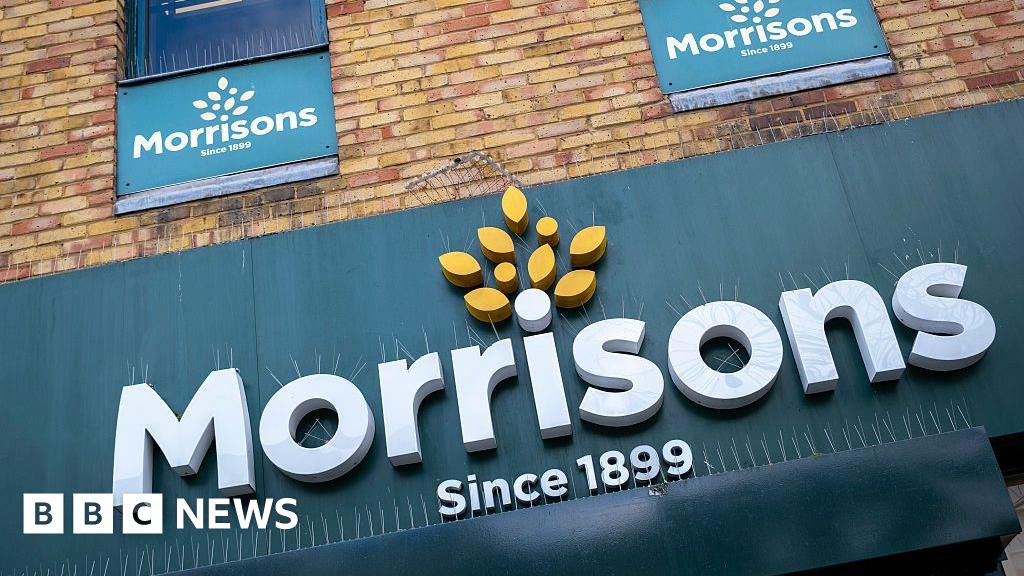
Morrisons plans to close about 100 convenience stores over the coming months, blaming rising costs on government policy choices.
The supermarket chain said the affected stores, acquired through its McColls acquisition in 2022, have been loss-making for some time.
It said difficulties were exacerbated by “significant cost increases resulting from government policy choices” but did not provide further detail.
The planned closures follow Morrisons’ announcement last year that it was closing 52 cafes and 17 convenience stores, putting hundreds of jobs at risk.
Last month, the company revealed about 200 jobs were at risk at its Bradford headquarters.
The chain said the “tough but necessary decision” to close more Morrisons Daily stores would put more staff at risk of redundancy, with consultations starting shortly. It did not specify how many jobs were affected.
Morrisons operates around 1,700 Morrisons Daily convenience stores and opened more than 120 franchise stores last year.
It did not immediately specify which stores it proposed to close, but said they were ones “whose performance has been challenged for a number of years and which are loss making, despite remedial action.”
“This situation has been exacerbated in more recent years by significant cost increases resulting from government policy choices, which have made returning these stores to profitability even more difficult,” it added.
The company said it had a “robust expansion plan” for 2026, with opportunities to open hundreds more franchise stores in the coming years.
Many retailers argue they have been hit with a wave of extra costs since April last year, including increased employer National Insurance contributions and higher minimum wages.
Additionally, food and drink companies now pay for the cost to councils of recycling packaging under the government’s Extended Producer Responsibility program.
Meanwhile, inflation has remained above the Bank of England’s 2% target. Newly published figures show annual food price rises were 3% in April, higher than the overall inflation rate of 2.8%.
There have been warnings that UK food inflation could reach 10% by year-end due to the impact of the US-Israel war with Iran.
This week, multiple supermarket sources said the government urged them to voluntarily freeze the price of key groceries in return for easing of regulations.
The suggestion met with a furious response from key industry figures.
Former Sainsbury’s boss Justin King said the British supermarket sector was already highly competitive and it was “hypocritical” for the Treasury to ask supermarkets to cap prices when its policies were contributing to inflation.
📝 This article was rewritten with AI assistance based on content from BBC News.
Related posts



Latest Post