TRENDING
Queen Elizabeth II’s backing of Andrew as trade envoy called serious error
3 minutes reading View : 23

World - 21 May 2026
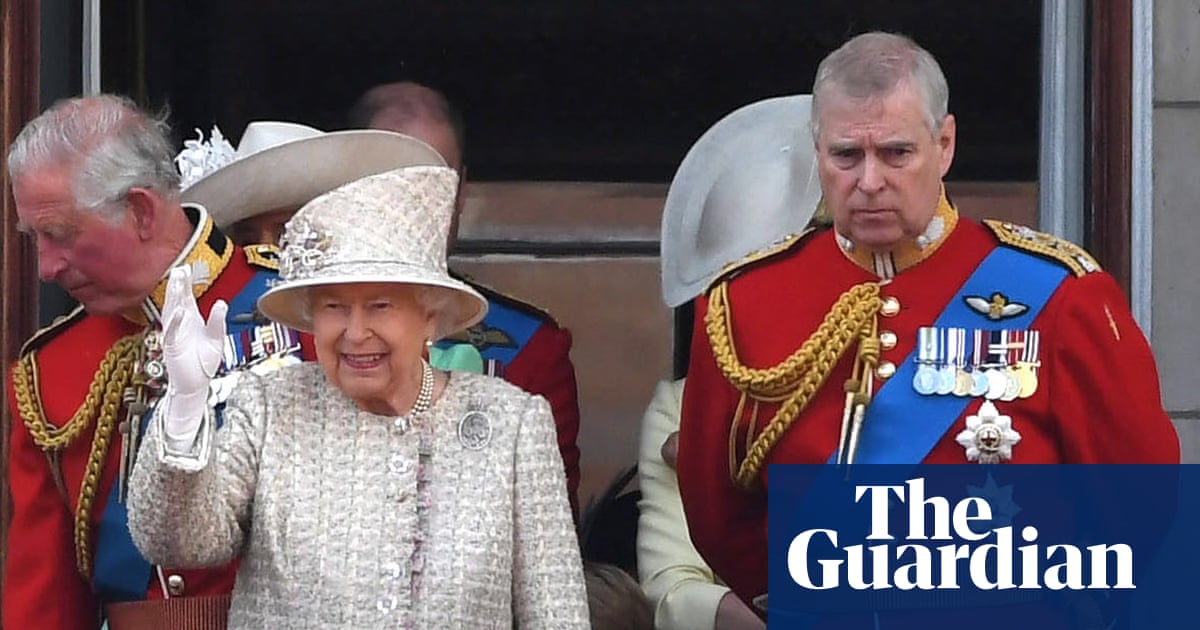
Queen Elizabeth II was “very keen” for Prince Andrew to assume a “prominent role in the promotion of national interests” as a trade envoy in 2001, a revelation that underscores the late monarch’s steadfast support for her second son, according to documents and royal commentators.
Recognizing his status as “the spare” and mindful of the challenges that position posed — her sister Princess Margaret had struggled to define her own role — the queen’s maternal instinct was to protect Andrew as much as possible, observers say.
She likely believed the trade envoy role would provide Andrew with structure and purpose as he steadily dropped in the line of succession, while also showcasing the royal family’s utility to the nation, analysts said.
Following a Royal Navy career that briefly earned him “national hero” status — including a photograph of him holding a rose after returning from combat in the Falklands — the position was seen as offering direction away from luxury yacht parties and golf courses. That assessment proved incorrect.
Royal commentators have long suggested that the late queen was blinkered when it came to Andrew, with rumors that he was her favorite son. Some biographers consider that plausible.
What is evident, however, is that Andrew was the first of her four children she was able to spend more time with as an infant. When Charles and Anne were born, she was fulfilling numerous engagements on behalf of her ailing father, King George VI. After his death, she balanced the stresses of young motherhood and monarchy, with overseas duties keeping her away from the nursery for extended periods.
When Andrew was born, having settled into her role, she cut back on evening engagements and sometimes handled his bedtime, forming a closer maternal bond with him and later his brother Edward, biographers note.
As he grew older, Andrew’s character differed markedly from his older brother Charles. According to royal biographer Robert Hardman, Andrew was “not as bright as the others, he could be boorish and everyone knew that.” His mother viewed him as “vulnerable” and continued to shield him.
Her support was evident in small but significant public gestures.
Two days after his disastrous November 2019 Newsnight interview, in which he failed to quell concerns about his relationship with convicted sex offender Jeffrey Epstein, the queen rode her horse around the grounds of Windsor Castle with Andrew at her side.
She would have been aware they might be photographed, and savvy enough to know those images would be interpreted as tacit support for her embattled son, royal observers said.
After she allowed him to step down as a working royal and even after he was stripped of military affiliations and patronages, Andrew continued to receive invitations to family Christmases at Sandringham and picnics at Balmoral, reflecting family loyalty over public outrage.
It has been widely reported that the queen contributed to the substantial 2022 settlement Andrew reached with his accuser, Virginia Giuffre. Two months later, at the memorial service for Prince Philip, Andrew escorted the queen into Westminster Abbey, her arm resting on his for support.
Ultimately, it fell to King Charles III to strip his brother of his peerage, prince title and HRH style.
📝 This article was rewritten with AI assistance based on content from The Guardian.
Related posts




Latest Post