
TRENDING
UK Police Use of Palantir AI Sparks Debate on Public Sector Tech
4 minutes reading View : 8

Technology - 22 May 2026
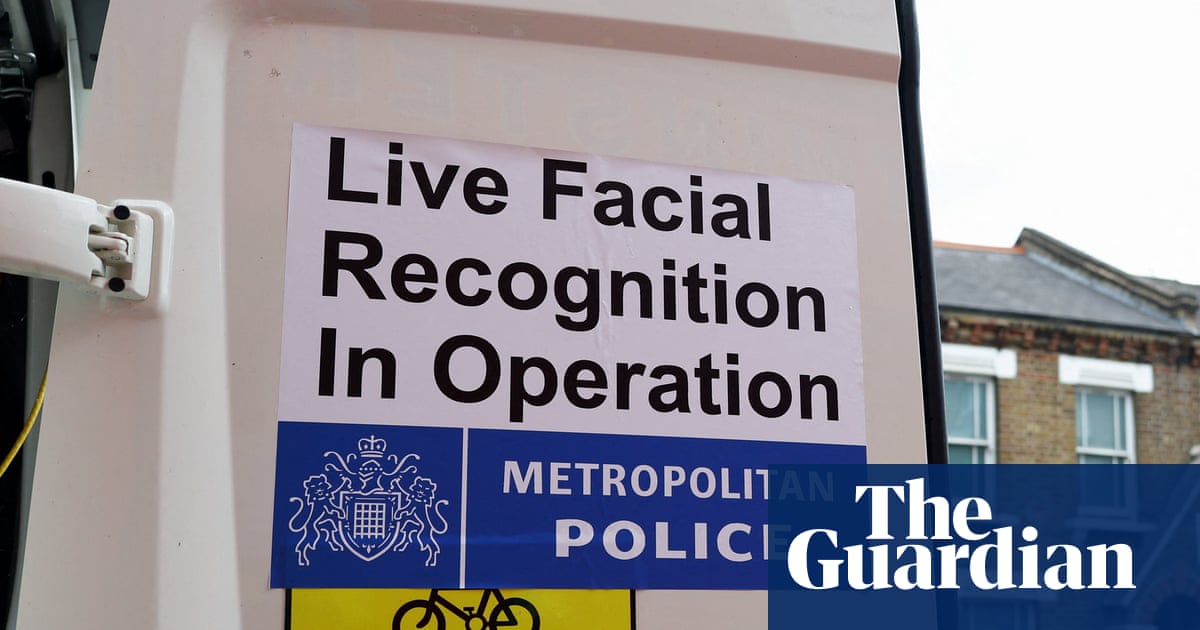
A dispute over whether the Metropolitan Police should pay controversial US artificial intelligence company Palantir £50m to help combat crime goes to the heart of how public services will use AI in coming years.
The same dynamic is playing out in hospitals, schools and town halls, but police chiefs are now turning to AI to escape a fiscal bind. The UK’s largest police force is shrinking; a £125m funding shortfall means it faces cutting 1,150 posts. Scotland Yard wants to use AI to deploy Palantir’s systems to comb through human intelligence reports, email caches, phone records and the rest of the torrent of digital evidence left by 21st century crime.
The implication is clear – AI is now seen as a plausible alternative for at least some human labour in policing and is on its way to becoming a mainstay of the national security apparatus. Human police officers deal with some of society’s most vulnerable people, and also some of the most confidential data and sources. The police want AI to do it too.
Scotland Yard is not alone in looking at AI. Forces such as Bedfordshire and Leicestershire have used Palantir tech. Despite trying to stay out of the Palantir row by calling it an “operational matter for the Met and Mayor of London”, the Home Office is setting the pace. Home Secretary Shabana Mahmood in January called for police to “ramp up use of AI” and to adopt the technology “at pace and scale”.
Labour has set up a national centre called Police AI and is deploying AI as an agent of efficiency in the NHS, the military and the justice system, but the problem is this: the government does not have its own AI systems and the companies that could help are increasingly controversial with the public and politicians.
Mayor Sadiq Khan’s stated reason for blocking the Met’s Palantir deal was a “clear and serious breach” of procurement rules, but politics lies not far behind. He has also cited “concerns about using public money to support firms who act contrary to London’s values”. Palantir’s leaders, such as co-founder Peter Thiel and CEO Alex Karp, have a knack for controversial statements. Thiel famously said the NHS makes people sick. Karp recently called the disarmament of Germany and Japan after World War II an “overcorrection”.
Many US AI providers find themselves tainted in the public mind by a general distrust of “big tech”, a byword for concentrated power backed by vast lakes of private capital and often bending the knee to Donald Trump. Palantir, with its contracts for Trump’s ICE immigration crackdown, Israel’s military and the US defence department, has become a poster-child for what many in the public and parliament fear is big tech’s dark side.
When it recently tried to prove its worth by providing an AI-enabled surveillance system to root out corrupt police officers at Scotland Yard, the rank and file were appalled, calling it “Big Brother” and saying it caused sleepless nights. The Metropolitan Police Federation called this “unchecked use of a controversial AI provider to spy on every single one of our colleagues … not proportionate, just or proper”. The federation warned it will take time for the Yard’s top brass to rebuild trust with the rank and file.
Where are the alternatives to using an AI system provided by one of the tech giants like Palantir? Police leaders are understood to have concluded that Palantir was the only company that could provide what it needed. One Scotland Yard insider said there were smaller British firms that could provide aspects of the service Palantir promises, albeit on a piecemeal basis.
Palantir has a far greater range of tools than most competitors, said Prof Alan Woodward of the University of Surrey’s computer science research centre. British companies cannot yet compete, but, he said, AI is “becoming part of the critical infrastructure and we need to have a degree of independence on it”.
“We have the expertise,” he said. “What is needed is the development of the businesses. That’s where Palantir won big. They had [US] government funding.”
📝 This article was rewritten with AI assistance based on content from The Guardian.
Related posts


Latest Post