TRENDING

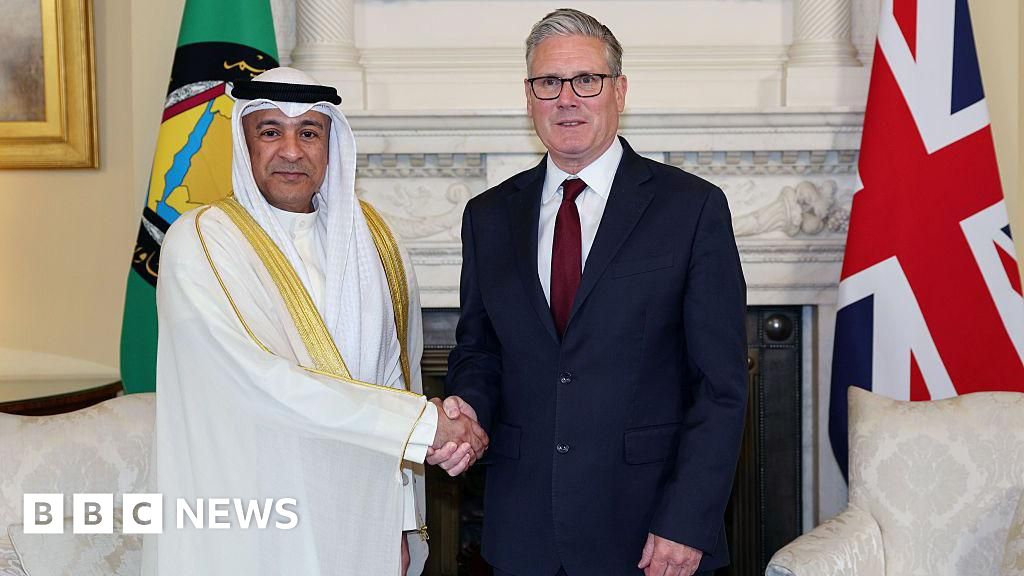
The UK has struck a trade deal with six Gulf states valued at £3.7 billion, the government announced, marking the third such agreement under Prime Minister Sir Keir Starmer’s administration.
The deal with Bahrain, Kuwait, Oman, Qatar, Saudi Arabia, and the United Arab Emirates will eliminate an estimated £580 million in annual tariffs on British exports once fully implemented, according to officials.
The government stated the agreement will facilitate British firms’ expansion and partnerships in the Gulf region, supporting domestic employment.
However, rights groups have criticized the deal for lacking detailed human rights and labor protections.
The Conservatives, who initiated the negotiations while in power, described it as “another major Brexit opportunity” and accused Labour of risking it through what they see as the party’s pro-European Union stance.
British products that will see tariffs removed include cheddar cheese, butter, and chocolate.
This agreement with the Gulf Cooperation Council (GCC) is the third trade deal secured by Starmer’s government, following pacts with India and South Korea.
It is also the first trade agreement between a G7 country and the GCC.
Starmer called the deal “a huge win” for British workers and businesses.
Working people “will feel the benefits in the years ahead through higher wages and more opportunities,” he said.
Business and Trade Secretary Peter Kyle said: “At a time of increased instability, today’s announcement sends a clear signal of confidence – giving UK exporters the certainty they need to plan ahead.”
Chancellor Rachel Reeves said the agreement was “proof we are backing British firms to compete and win globally.”
“This agreement is good for jobs, good for industry and ultimately good for consumers,” Reeves added.
However, the rights group Trade Justice Movement said the deal “poses serious risks to human rights, labour protections, and climate action.”
The group raised concerns about GCC states’ records on press freedom, use of the death penalty, and greenhouse gas emissions from their oil industries.
It said the deal “locks the UK into deeper commercial ties with some of the most repressive governments in the world, for economic gains so marginal they barely register.”
📝 This article was rewritten with AI assistance based on content from BBC News.
Related posts






Latest Post