
TRENDING
Guardian Columnist: UK Welfare Debate Ignores Larger Pensions Bill
5 minutes reading View : 14

経済 - 21 May 2026
Nothing makes a nation feel more like a country in regression than receiving a reprimand from the International Monetary Fund (IMF). Chancellor Rachel Reeves can find limited solace in the fact that the IMF only advised her to ‘stay the course’ on spending limits, regardless of future energy or inflation crises. The implicit message is: when the facts change, do not change your mind — the opposite of the economists’ classic principle, but perhaps that classic is no longer welcome.
This reprimand is milder than the one delivered to then-Chancellor Kwasi Kwarteng in 2022. BBC economics editor Faisal Islam admitted that ‘even I was taken aback’ by that criticism, which caused a ripple effect among other analysts who were surprised at Islam’s surprise. But the IMF still included a sting, urging Reeves to focus on ‘controlling the rising welfare bill, as well as delivering further efficiency measures in public services, while protecting the most vulnerable’.
After 16 years of austerity or reduced austerity, there is little left to trim from disability or unemployment benefits. Consequently, analysis shifts to unserious questions about who deserves what: whether a welfare claimant has a ‘real’ disability or a contestable mental illness; whether unemployment stems from lack of opportunity or lifestyle choices. When discussed in detail, the focus is always on young people. They are deemed unfit for the labor market due to the school curriculum, unfit for any market because of a mental health crisis, and jobs are scarce. This ‘perfect storm’ was identified in February by Alan Milburn ahead of his report on Neets (young people not in education, employment or training). The more urgently the welfare bill needs cutting, the more heated the debate becomes, with right-wing pundits questioning whether ADHD is real or a fig leaf for a generation unable to focus beyond a TikTok video. The implication is that regardless of the truth, the taxpayer should not fund it.
The numerically literate younger voter — and there are many of them, the curriculum is not that bad — can be forgiven for asking follow-up questions. Why are pensioner benefits, totaling 31 billion pounds excluding the state pension, untouchable, when low-income benefits mostly go to working parents rather than Neets? Not only have these benefits been effectively ringfenced by the government’s U-turn on means testing the winter fuel allowance, but the new consensus suggests that even attempting to reserve that benefit for those who truly needed it was the worst mistake an incoming government could make.
Why do we never discuss the triple lock, when pension benefits and the state pension total 178 billion pounds annually — exceeding the combined costs of housing benefit, disability benefit, and unemployment or low-income benefits?
Nor do we examine the tapered tax relief on private pensions, which delivers more, pound for pound, to higher earners. This is the most expensive non-structural tax relief in the country, costing nearly 35 billion pounds a year — about 10 times the annual spending on affordable housing. What would happen if the priorities were reversed? Would young people be able to afford rent?
These figures and the skew they represent are so familiar that mentioning them feels almost rude, like interjecting into a Brexit conversation to say it has not made the country richer. The political center adheres to a certain etiquette: one does not repeat what everyone has heard before, even if the issues remain unresolved. The rationale, presented as a gentle truism and a manageable level of political cynicism, is that pensioners vote and young people do not.
That electoral calculus may have made sense when the triple lock was introduced in 2011, with the obvious benefit of protecting one group to prevent nationwide opposition to austerity. But now that this generational imbalance has matured, it is no longer rational. A new cohort of voters is coming of age whose first experience of the state was the closure of their Sure Start centre and the scrapping of their child trust fund. Their home ownership prospects depend almost entirely on intergenerational transfers; their further-education debt is subject to Treasury whims; and their value in the job market, touted as the fruit of their degree, can only be realized in jobs that do not exist.
When young people make any demand on the social safety net, their problems are minimized as self-created. Whenever a budget needs to be balanced — whether to boost defense spending or calm bond markets — the spotlight returns to the so-called ‘snowflakes’. Young people can recognize policies that actively seek to prevent hardship, but they have never seen such policies applied to themselves. They will not vote for a party that considers this acceptable. This is not because they are too ‘woke’.
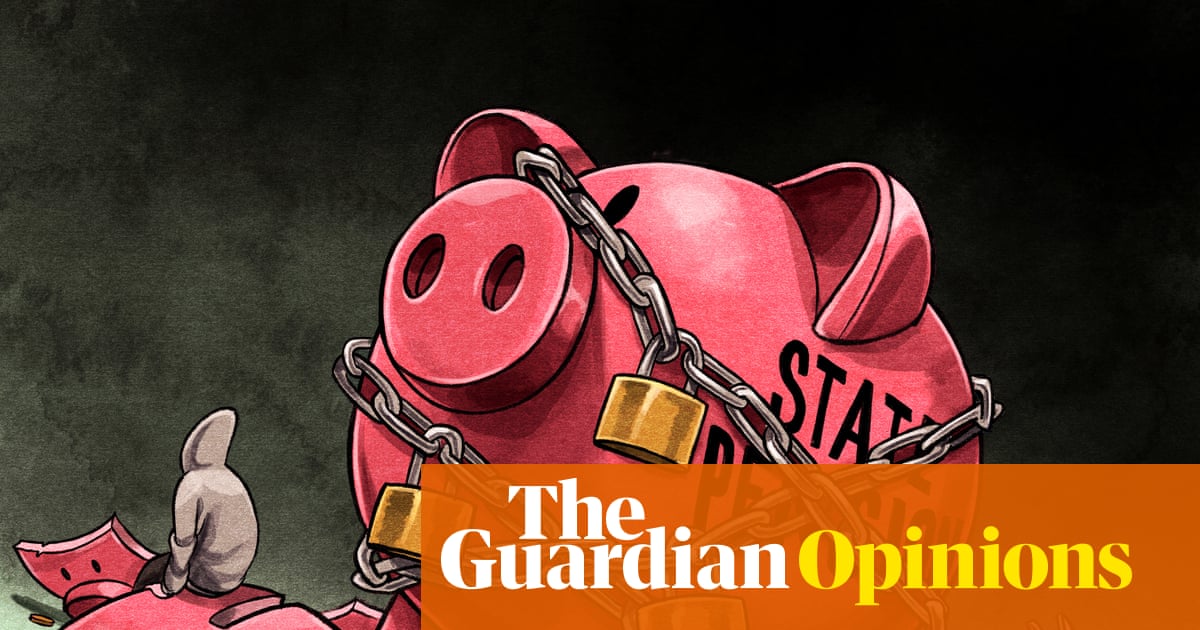
The paradox is that no one asked for this generational imbalance. Wanting things to be better for the next generation is a fundamental building block of nation-building and social cohesion. But progress will remain frozen until we stop saying ‘welfare bill’ and start saying ‘pensions bill’ — and see where the conversation leads.
Zoe Williams is a Guardian columnist.
📝 This article was rewritten with AI assistance based on content from The Guardian.
Related posts





Latest Post