
TRENDING
UK Considers Rejoining EU: Rejoin, Reset, or Swiss-Style Options
3 minutes reading View : 23

経済 - 18 May 2026
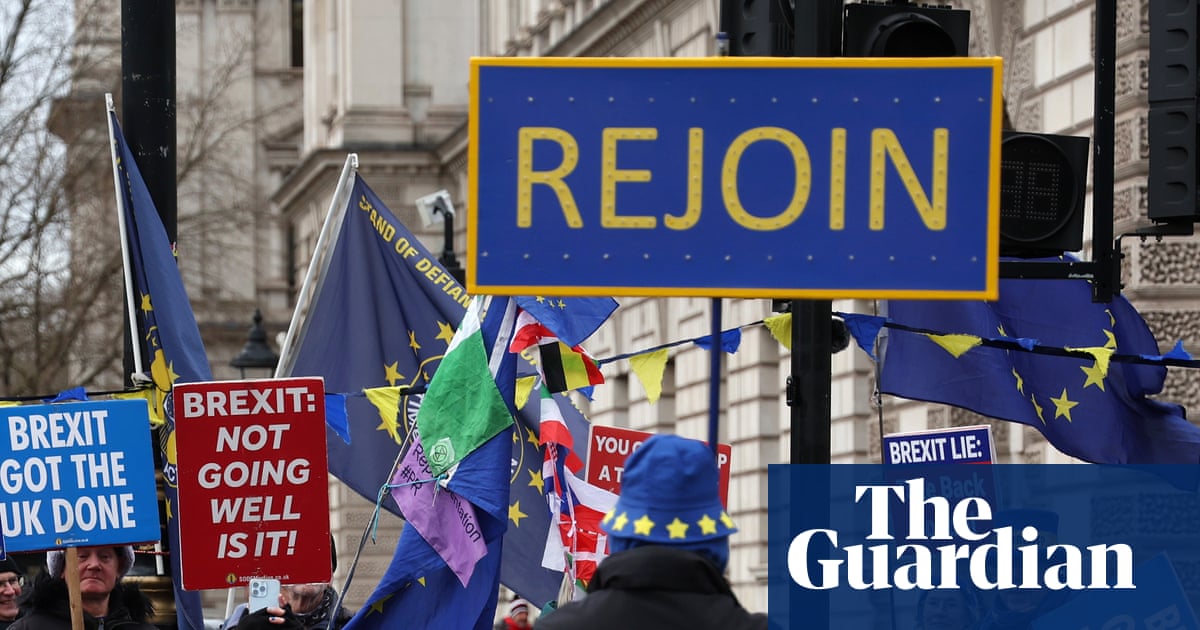
Is it too soon to discuss rejoining the European Union, and is it even feasible? Few anticipated that a decade after the 2016 Brexit referendum and barely six years after the UK’s formal departure, the country would be contemplating a return.
Over the weekend, former health secretary and potential Labour leadership contender Wes Streeting asserted that Prime Minister Keir Starmer’s government required “a new special relationship with the EU” and that ultimately, the best solution was to be “back in the EU.”
Here are the options Streeting might pursue if he were prime minister, as outlined by analysts and recent political discourse.
Rejoining would be challenging. Although a referendum is not legally mandated, political feasibility would likely require one.
Many observers believe a referendum would need to demonstrate support exceeding 60%, possibly approaching 70%, to cement the return. The EU would be unlikely to consider accession talks without robust guarantees that the UK would not waver again within a decade.
Remember, the political energy expended on accession negotiations is enormous, and many member states may prefer to focus on Ukraine and Moldova, both critical to EU security on its eastern flank.
A recent survey by Best for Britain indicated that more than 80% of those planning to vote Labour, Liberal Democrat, or Green supported a full return to the EU, but only 53% of voters overall felt the same.
Even if the UK could secure a substantial majority in favor of rejoining, technical-level talks would inevitably be intense and fraught with potential pitfalls, beginning with unwinding the withdrawal agreement that addressed Northern Ireland, citizens’ rights, and the divorce bill.
Switzerland is not an EU member but struck a deal last year cementing its “frictionless access” to the single market, along with access to the EU’s electricity market, space programs, Erasmus, the Digital Europe research program, and participation in the European Centre for Disease Prevention and Control.
In exchange, Switzerland agreed to free movement of people and to pay €375m (£326m) annually into the EU’s economic and cohesion funds.
The EU offered the UK a Swiss-style deal, but it was rejected by then-Prime Minister Boris Johnson because it required regulatory alignment and free movement.
The UK could rejoin the single market through membership in the European Economic Area, an option previously rejected by Starmer.
Norway, Liechtenstein, and Iceland — the latter toying with the idea of joining the EU after Donald Trump’s threats toward Greenland — are all EEA members.
To become an EEA member, the UK would first need to negotiate membership in the European Free Trade Association. It would also have to accept free movement.
This would involve continuing Starmer’s incremental alignment with the EU.
The limit of ambition for the reset was politically expedient two years ago, and the UK remains cautious about how a likely deal will be perceived publicly, particularly as it has characterized a youth mobility scheme as immigration and insisted on capping numbers below 50,000 annually.
Critics argue the deal will have little discernible impact on the economy or the damage Labour claims Brexit has caused.
The Swiss deal demonstrates how Brussels grows weary of constantly maintaining and updating agreements with a third country — but also shows it can be receptive to imaginative and flexible ideas.
📝 This article was rewritten with AI assistance based on content from The Guardian.
Related posts





Latest Post