
TRENDING
UK Lords urge immediate action to avert 5bn litre daily water shortage by 2055
3 minutes reading View : 30

World - 21 May 2026
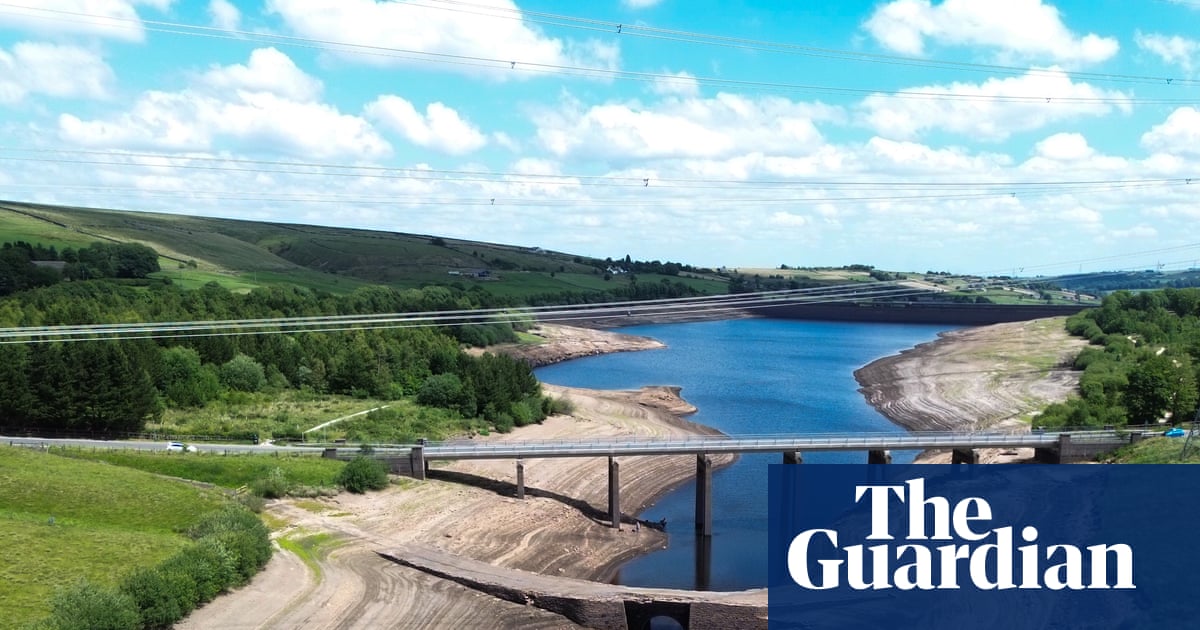
The government must implement rainwater harvesting, grey water use in homes and a nationwide campaign to reduce water consumption to prevent shortages of 5 billion litres per day by 2055, the House of Lords Environment and Climate Change Committee warned Thursday.
Without intervention, England will face severe water shortages in coming decades due to climate change, population growth and expanding water-intensive industries such as data centres, the committee said.
Peers said urgent action is needed to avoid daily shortfalls of 5 billion litres – the equivalent of 2,000 Olympic-sized swimming pools each day.
Last year’s driest spring in 132 years caused prolonged drought across England. The government’s climate advisers warned in a major report that global heating will increase drought frequency and that more reservoirs are necessary to prevent taps from running dry.
Baroness Shas Sheehan, chair of the Lords committee, said: “Climate change is increasing the risk of drought through a combination of hotter summers and heavier winter rains making the capture and storage of rainwater increasingly important. The experience of the 2025 drought sent a warning signal to the water and drought management system. We have already had a dry start to this spring, so it is critical that action is taken now to prepare for serious drought conditions, particularly as we enter a reported El Niño year.”
The report called for more effective rainfall management through better storage, supply and reuse. It made six specific recommendations.
The committee urged changes to building regulations to require new homes to limit water use to a maximum of 105 litres per person per day and to accelerate grey water reuse.
It advocated nature-based solutions such as restoring peat bogs and reconnecting rivers with their natural floodplains to improve water retention.
The peers called for an urgent public awareness campaign across all sectors of society to reduce water usage.
They demanded a full environmental and economic assessment of drought to weigh the cost of inaction against the value of resilience.
The report also recommended wider deployment of nature-based solutions in both urban and rural settings.
No new reservoirs have been built by water companies in England for more than 30 years. Nine are planned, but the report warned they will take years to come online and should not replace urgent demand-reduction measures.
Leaks from pipework – mostly owned by water companies – account for 19% of water demand, the report said. “Action to reduce leakage must remain a priority for the government, as water lost through leakage undermines public support for other drought mitigation measures.”
“Drought is an ever-present threat which may feel dormant in winter but looms large in the summer,” peers said. “Water is the foundation of life itself; the government must act now to secure England’s most vital resource for the future.”
📝 This article was rewritten with AI assistance based on content from The Guardian.
Related posts





Latest Post