
TRENDING
US Ebola Travel Ban Criticized as Counterproductive by Health Experts
3 minutes reading View : 43

World - 22 May 2026
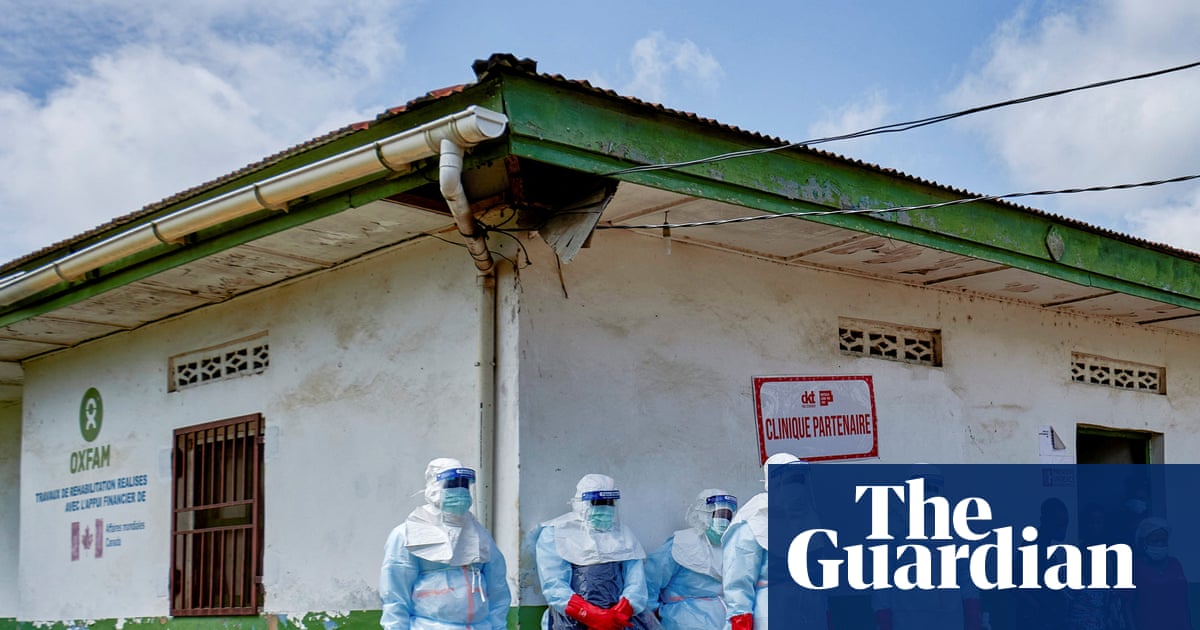
Critics have warned that a US travel ban targeting travelers from the Democratic Republic of the Congo, Uganda or South Sudan in response to the ongoing Ebola outbreak could worsen the situation rather than contain it.
Declared a public health emergency of international concern on Sunday, the outbreak continues to spread, with a new case reported in the DRC’s South Kivu province, an area controlled by armed rebel groups.
The American travel ban, which applies to non-US passport holders who have been in any of the three countries within the past 21 days, has disrupted the DRC men’s football team’s World Cup preparations. On Wednesday, a flight to Detroit was diverted to Canada because a traveler from the DRC was aboard.
Africa Centres for Disease Control and Prevention (Africa CDC) said that while it “fully recognises the sovereign responsibility of every government to protect the health and security of its people … generalised travel restrictions and border closures are not the solution to outbreaks.”
The body added: “Such measures can create fear, damage economies, discourage transparency, complicate humanitarian and health operations, and divert movement toward informal and unmonitored routes – potentially increasing public health risks rather than reducing them.”
No vaccine or treatment is available to fight the Bundibugyo strain of Ebola responsible for the central Africa outbreak.
Africa CDC said this highlighted “a deeper structural injustice in global health innovation: the Bundibugyo Ebolavirus was identified nearly two decades ago, yet no licensed vaccines or therapeutics specific to this strain exist today. Africa CDC believes that if this disease had predominantly threatened wealthier regions of the world, medical countermeasures would likely already be available.”
Dr Githinji Gitahi, the group CEO at Amref Health Africa, backed Africa CDC’s stance. He said: “Travel bans don’t stop viruses, they stop solidarity. The fastest way to protect everyone is to invest in outbreak control at the source, not isolate the affected. Africa needs partnership, not punishment.”
Uganda’s information minister, Chris Baryomunsi, told Reuters the US was “overreacting” by putting the travel ban in place. “We’ve handled cases of Ebola at other epidemics for a number of years,” he said. “There is capacity within the country to contain these epidemics.”
The outbreak has been linked to 139 deaths and about 600 suspected cases in the DRC as of Wednesday, the World Health Organization said, with two confirmed cases in neighboring Uganda.
Most cases have been in the DRC’s Ituri and neighboring North Kivu provinces. On Thursday, the Alliance Fleuve Congo, which includes the Rwanda-backed M23 rebels, said there had also been a case in South Kivu, which is under their control.
An Ebola case in the North Kivu capital city, Goma, which is also under M23 control, has prompted urgent calls for its airport to be reopened to facilitate the flow of aid and medical supplies.
Researchers at Imperial College London have revised their estimates of the size of the outbreak upward, based on the latest WHO figures.
📝 This article was rewritten with AI assistance based on content from The Guardian.
Related posts






Latest Post