TRENDING
China Urges US to End Coercion Against Cuba After Raúl Castro Indictment
3 minutes reading View : 15

World - 21 May 2026
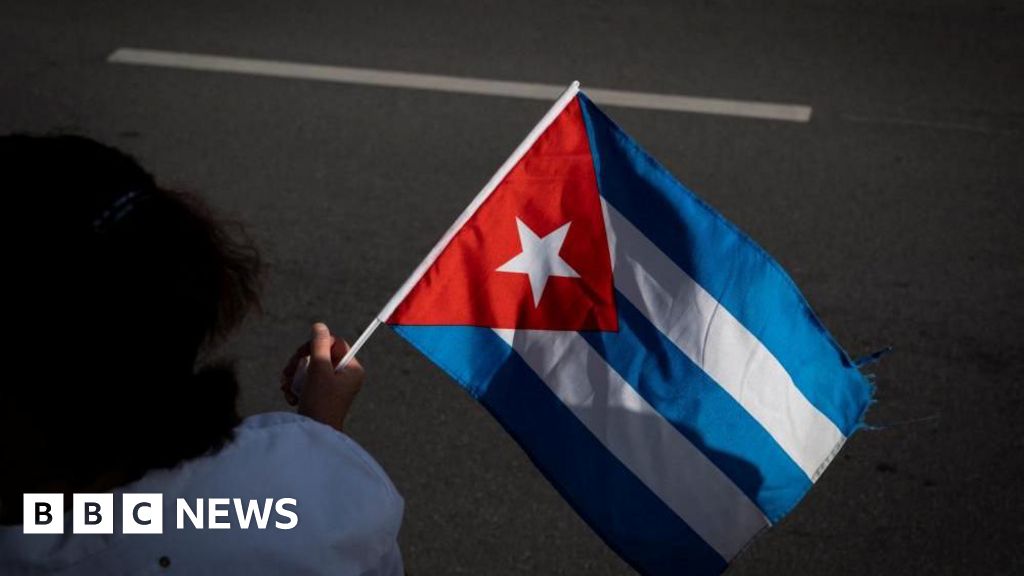
China has called on the United States to stop using coercion and threats against its ally Cuba, following Washington’s indictment of former leader Raúl Castro on murder charges.
An American court accused the 94-year-old former president of conspiracy to kill U.S. nationals in connection with the 1996 downing of two planes, an incident that killed four people and heightened diplomatic tensions between Washington and the Caribbean island.
U.S. President Donald Trump has repeatedly sought to pressure Cuba and has openly discussed toppling its communist regime.
On Thursday, Chinese Foreign Ministry spokesman Guo Jiakun said the United States should “stop threatening force at every turn” and that Beijing “firmly supports Cuba.”
On Wednesday, Castro was charged alongside five others for involvement in the shooting down of two planes traveling between Cuba and Florida three decades ago. He was indicted on offenses carrying penalties of life in prison or death.
The aircraft, operated by the Cuban-American dissident group Brothers to the Rescue, were carrying three U.S. citizens when shot down, all of whom were killed.
At the time, Castro—who stepped down as president in 2018—was head of Cuba’s armed forces.
The incident sparked outcry among Cuban exiles in the United States and has long been a source of contention between Washington and Havana.
Cuban President Miguel Díaz-Canel called the charges “a political manoeuvre, devoid of any legal foundation.”
China’s foreign minister, whose country is a longtime supporter of Cuba, said Beijing opposed “any attempt by external forces to exert pressure on Cuba under any pretext.”
Guo continued: “The United States should cease using sanctions and judicial apparatus as tools of coercion against Cuba and refrain from making threats of force at every turn.
“China resolutely supports Cuba in safeguarding its national sovereignty and dignity and opposes external interference.”
The comments come as the White House continues to escalate pressure on Cuba.
The United States has imposed new sanctions on the country and an oil blockade, a move that has resulted in blackouts and food shortages.
Earlier this month, Trump signed an executive order sanctioning officials in Cuba’s energy, defense, financial and security sectors, as well as individuals the U.S. alleges have committed human rights abuses or stolen public assets.
Since capturing former Venezuelan President Nicolás Maduro in January to face trial in the United States on charges of narco-terrorism and drug trafficking, Trump has openly suggested that Cuba is “ready to fall.”
China has grown closer to Cuba since President Xi Jinping’s 2014 visit to the island.
In 2018, Cuba joined China’s Belt and Road Initiative, which funded several strategic infrastructure projects on the island.
📝 This article was rewritten with AI assistance based on content from BBC News.
Related posts




Latest Post