TRENDING
US Pauses $14bn Taiwan Arms Sale to Reserve Munitions for Iran War
3 minutes reading View : 1

World - 22 May 2026
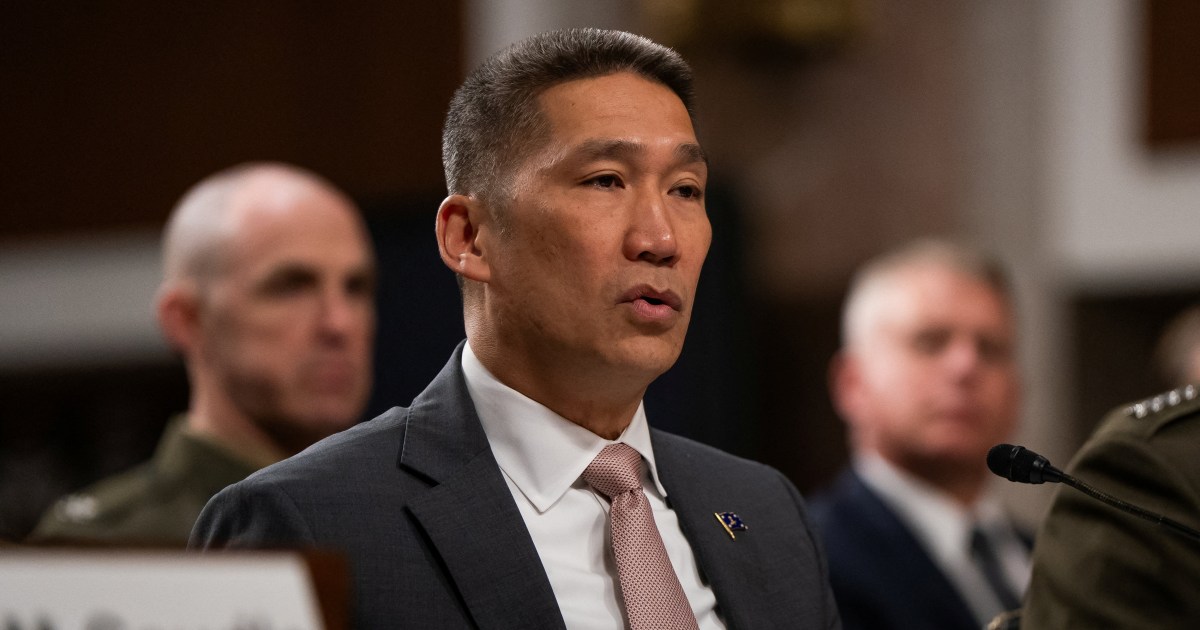
The United States is pausing a $14bn arms sale to Taiwan to conserve munitions for its military operations against Iran, acting Navy Secretary Hung Cao told lawmakers Thursday.
Cao provided the update during a Senate Appropriations Subcommittee on Defense hearing, one week after the weapons sale was a central topic in talks between US President Donald Trump and Chinese leader Xi Jinping in Beijing.
“Right now, we’re doing a pause in order to make sure we have the munitions we need for Epic Fury – which we have plenty,” Cao said.
“But we’re just making sure we have everything, but then the foreign military sales will continue when the administration deems necessary.”
Cao said any decision to proceed with the sale – which would be the largest ever weapons transfer to Taiwan – would be made by Secretary of Defense Pete Hegseth and Secretary of State Marco Rubio.
The war with Iran has been paused since the US and Iran agreed to a ceasefire on April 8, but the sides have yet to reach a permanent peace deal.
The US Congress approved the weapons package for Taiwan in January, but the sale requires Trump’s approval to move forward.
If approved, the sale would surpass a record-breaking $11bn arms package for Taiwan approved by Trump in December.
Taiwanese Premier Cho Jung-tai told reporters Friday that Taiwan would continue to pursue arms purchases, according to Taiwanese news outlet FTV News.
William Yang, senior analyst for northeast Asia at the Crisis Group, said in a social media post that the pause will “exacerbate anxiety and scepticism about US support in Taiwan and make it difficult for the Taiwanese government to request additional defence budget for the foreseeable future.”
Trump, who confirmed he discussed the arms sale with Xi, said last week in an interview with Fox News that he “may” or “may not” approve the package.
Trump has also suggested the package could be used as a “negotiating chip” – despite a decades-old precedent against consulting with Beijing on arms sales.
China claims self-governing Taiwan as part of its territory and objects to Washington’s ongoing unofficial support for Taipei.
The US government does not officially recognize Taiwan but is committed to helping the island defend itself under the 1979 Taiwan Relations Act, enacted shortly after Washington severed diplomatic ties with Taipei.
Trump has continued to test the status quo on Taiwan in other ways, saying earlier this week he would consider speaking to Taiwanese President William Lai Ching-te about the arms deal.
Such a move would break with four decades of diplomatic protocol against direct talks with the Taiwanese leader and almost certainly provoke an angry response from Beijing.
Trump held a phone call with former Taiwanese President Tsai Ing-wen after his 2016 election win, but their talks took place before he was sworn in as president.
📝 This article was rewritten with AI assistance based on content from Al Jazeera English.
Related posts





Latest Post